As parents grow older, physical strength and mobility inevitably change. Yet many are reluctant to leave the homes they have lived in for decades. For a growing number of families, this has become a reality they must confront. Rather than moving into unfamiliar care institutions, more households are choosing to adjust their existing living environments—slowly, carefully—allowing ageing to take place at home. In this context, ageing in place has become an increasingly common choice.
This shift has directly accelerated the growth of the silver economy and the age-friendly home market. The role of the home is being redefined: no longer just a place to live, but a long-term environment capable of adapting to physical change, supporting emotional needs, and accompanying people through different stages of life.
When people think about age-friendly homes, assistive products or medical devices often come to mind. But in daily life, the most meaningful design is often the least noticeable.
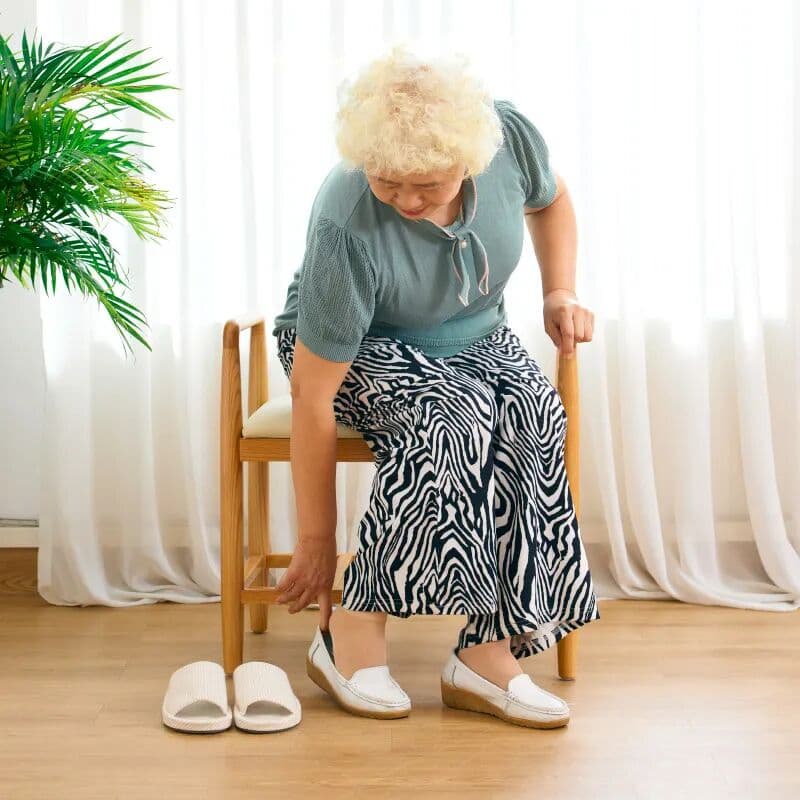
As we grow older, reactions slow, strength weakens and balance changes. Ordinary movements begin to need a little more support—and it is in these quiet adjustments that design quietly steps in.
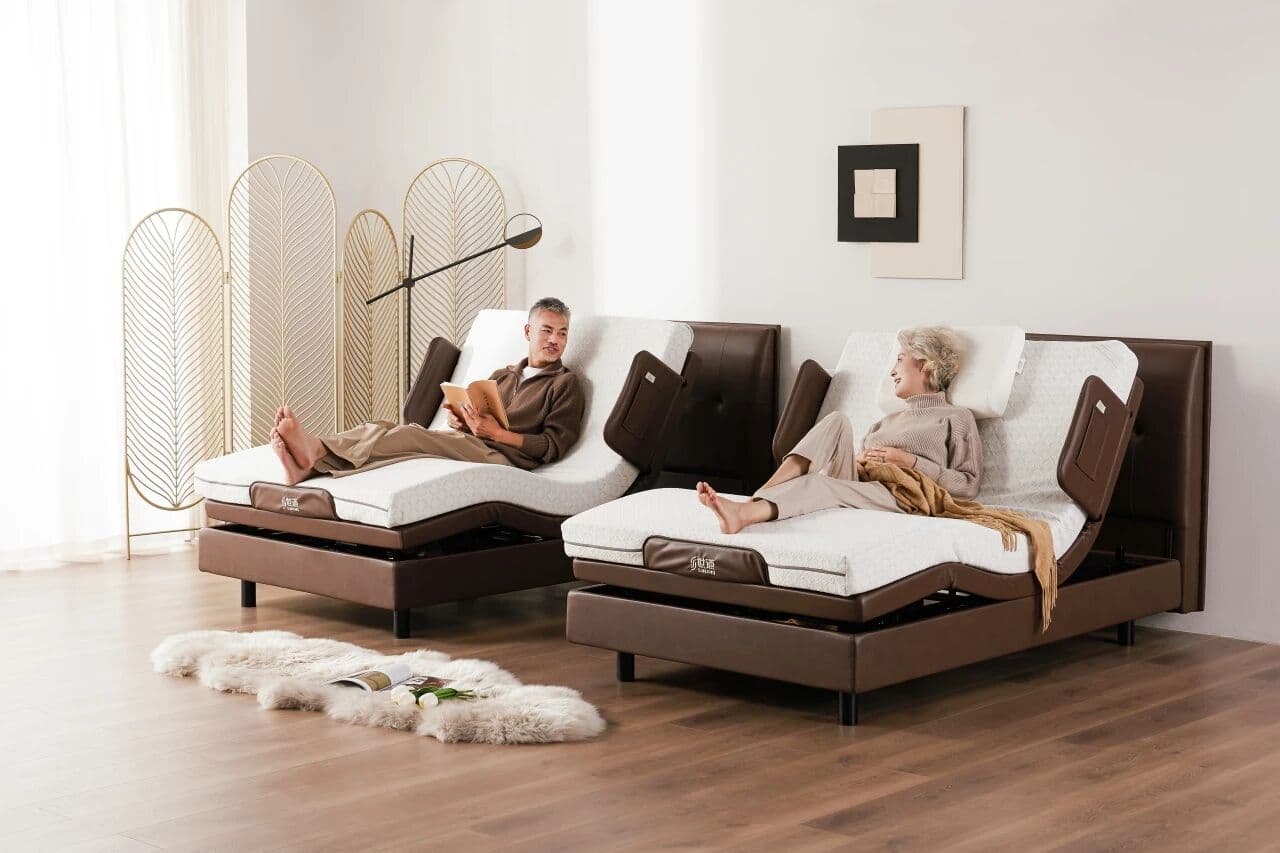
Designing for ageing in place: making everyday life easier
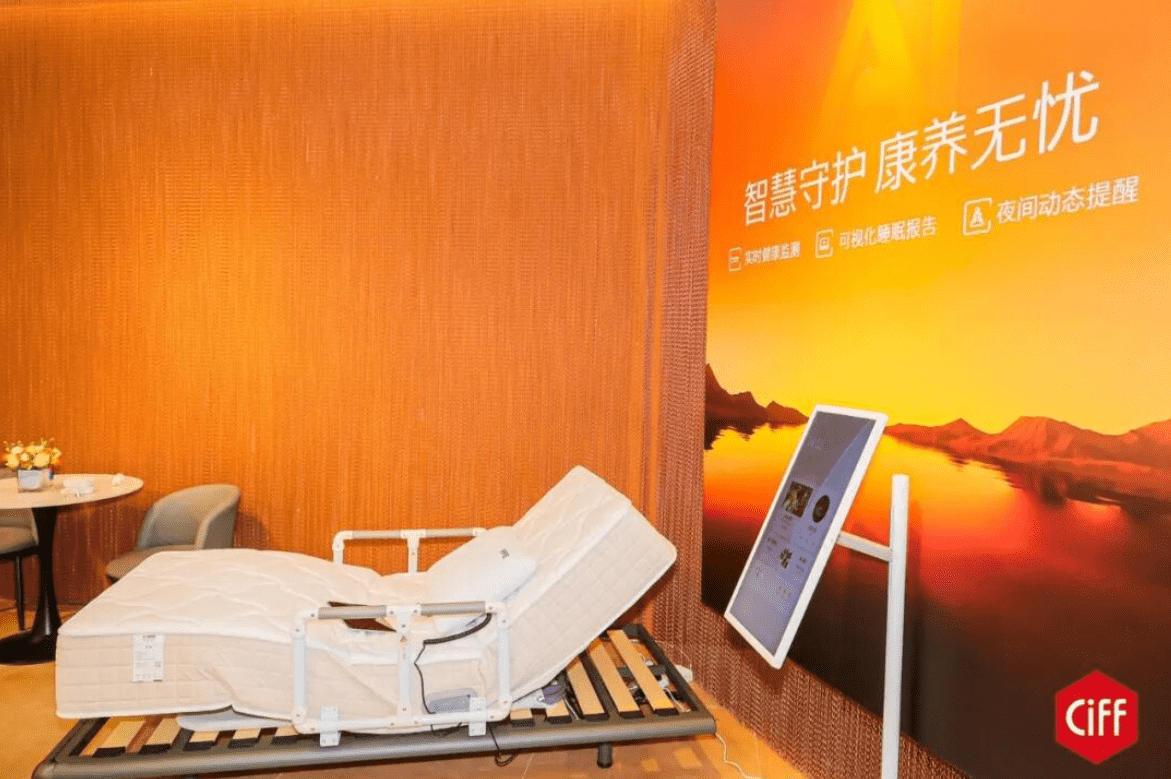
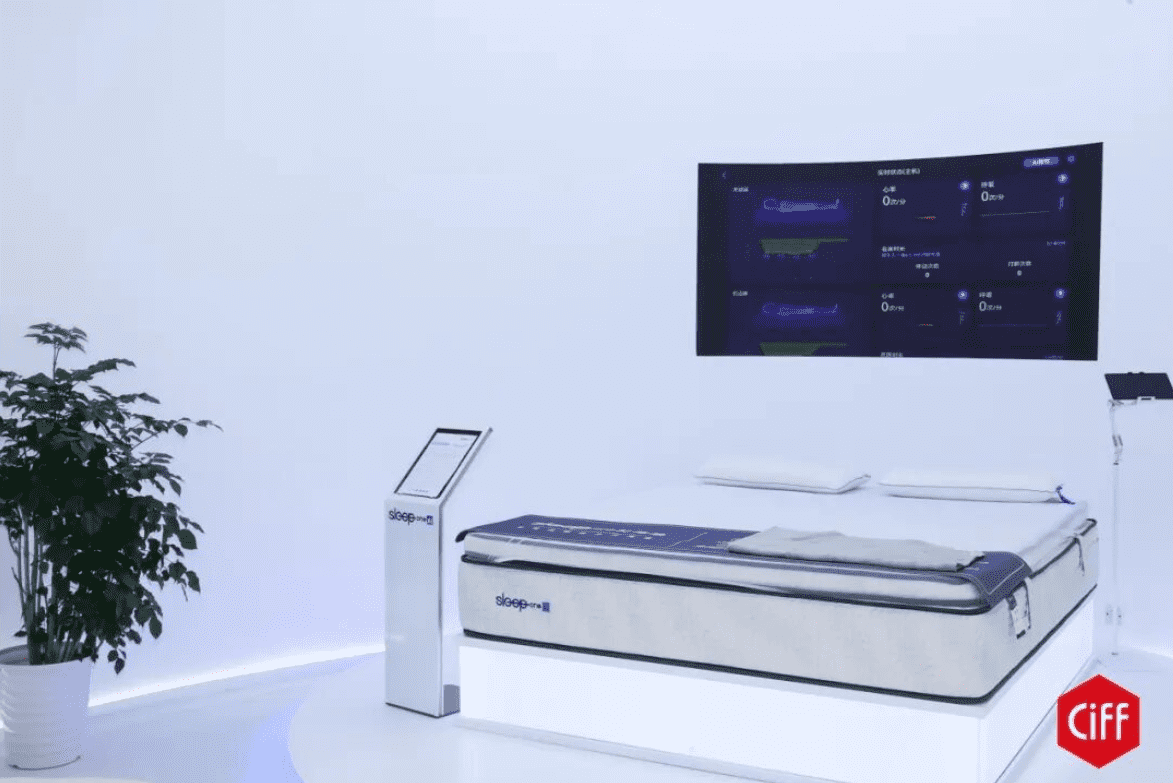
Health management as part of daily living
Sleep quality and physical stability become shared concerns for older adults
and their families. Smart beds and mattresses integrate sleep monitoring,
ergonomic support and data feedback, allowing health management to move beyond
clinical settings and into everyday routines. Features such as electric lift
assistance also help sitting down and standing up feel more natural and less
physically demanding.
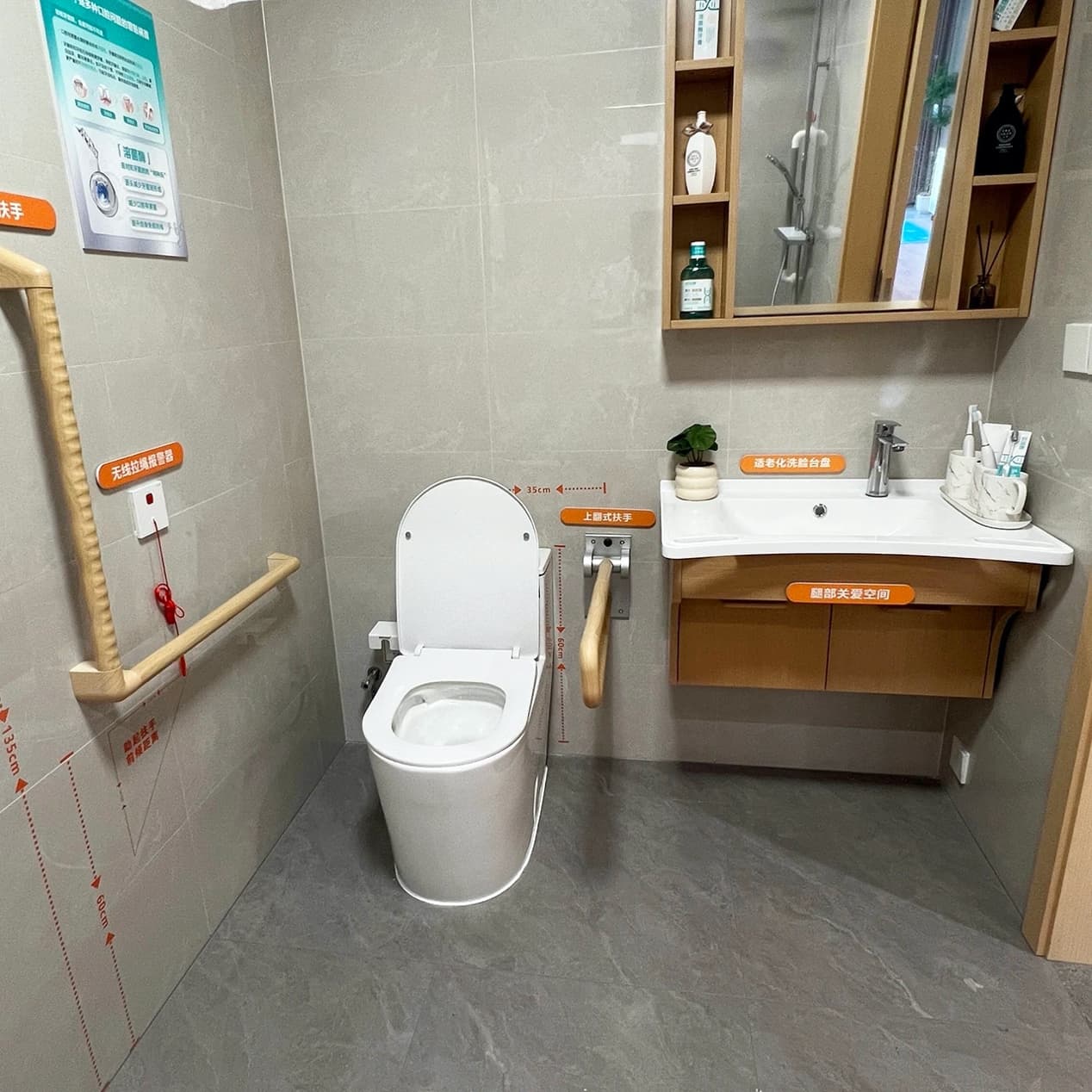
Safety embedded quietly into the home
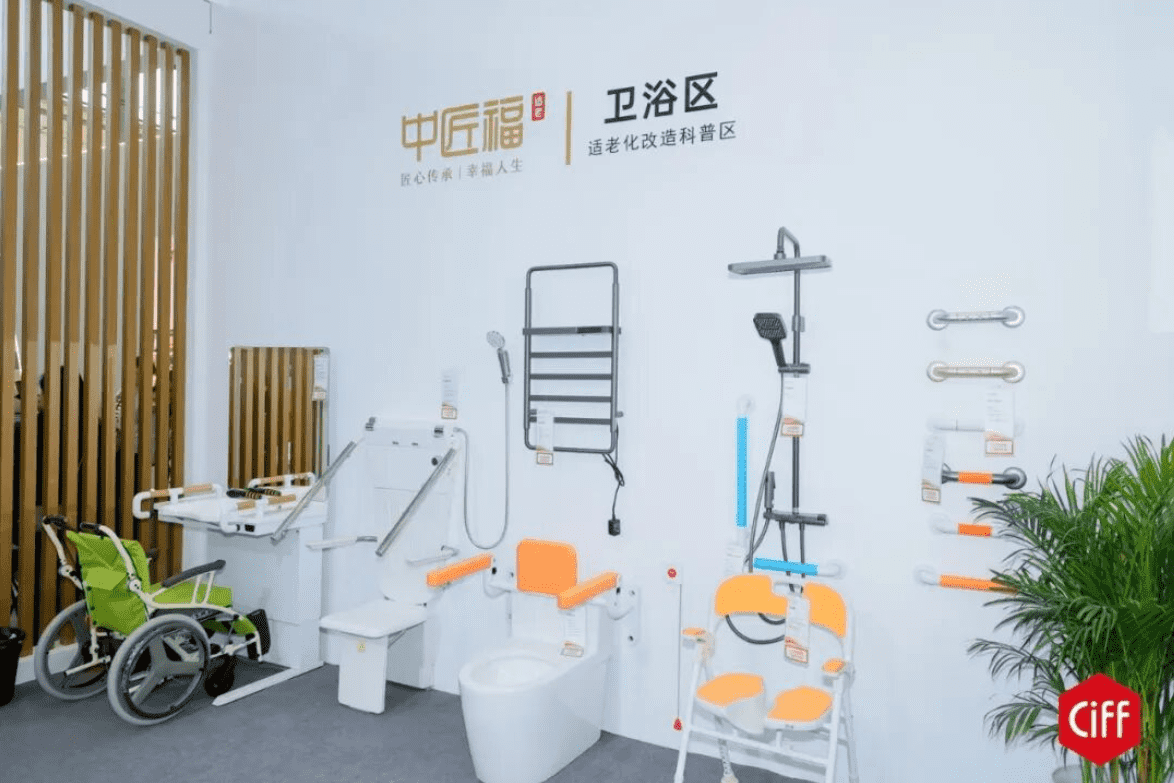
Few older adults want their homes to resemble medical facilities. Non-slip flooring, barrier-free circulation, bathroom safety solutions, bed-end handrails and concealed support structures are increasingly integrated discreetly into furniture and spatial design. Well-executed age-friendly design does not announce itself—it simply offers support when needed, preserving independence and dignity.
Comfort and dignity matter just as much
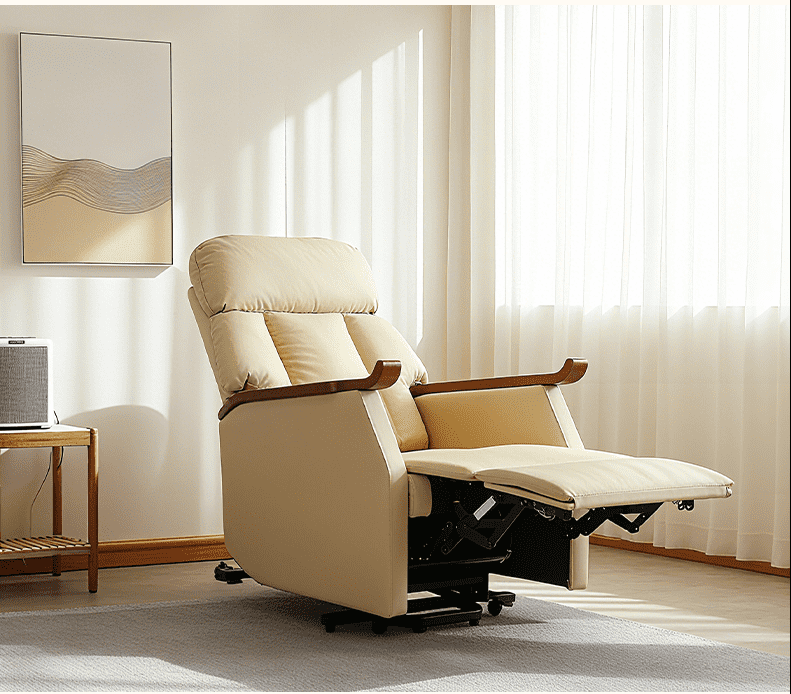
Older adults care deeply about quality of life and wish to feel respected
rather than constantly reminded that they require special care. Lift-assisted
sofas, seating heights aligned with natural body movement, warm material
choices and intuitive interfaces all contribute to a sense of ease. These
details form the emotional foundation of ageing comfortably at home, allowing
daily life to continue with confidence and autonomy.
A new residential vision for the silver generation
As space is gradually prepared for ageing, the role of furniture quietly shifts. Age-friendly design is no longer about adding functions, but about returning to everyday life—rethinking how people can continue living well and ageing gracefully within familiar surroundings.
Rather than offering a single solution, CIFF Guangzhou approaches this emerging trend through scenographic and system-based exhibitions that respond to the realities of ageing in place. Working with over a hundred companies—including Huayang Garden, Satori Home, MPE, Yishou Medical Care, Zhujiang Health—as well as institutions such as the Greater Bay Area Active Ageing Innovation Institute, the fair presents a holistic picture of home-based ageing.
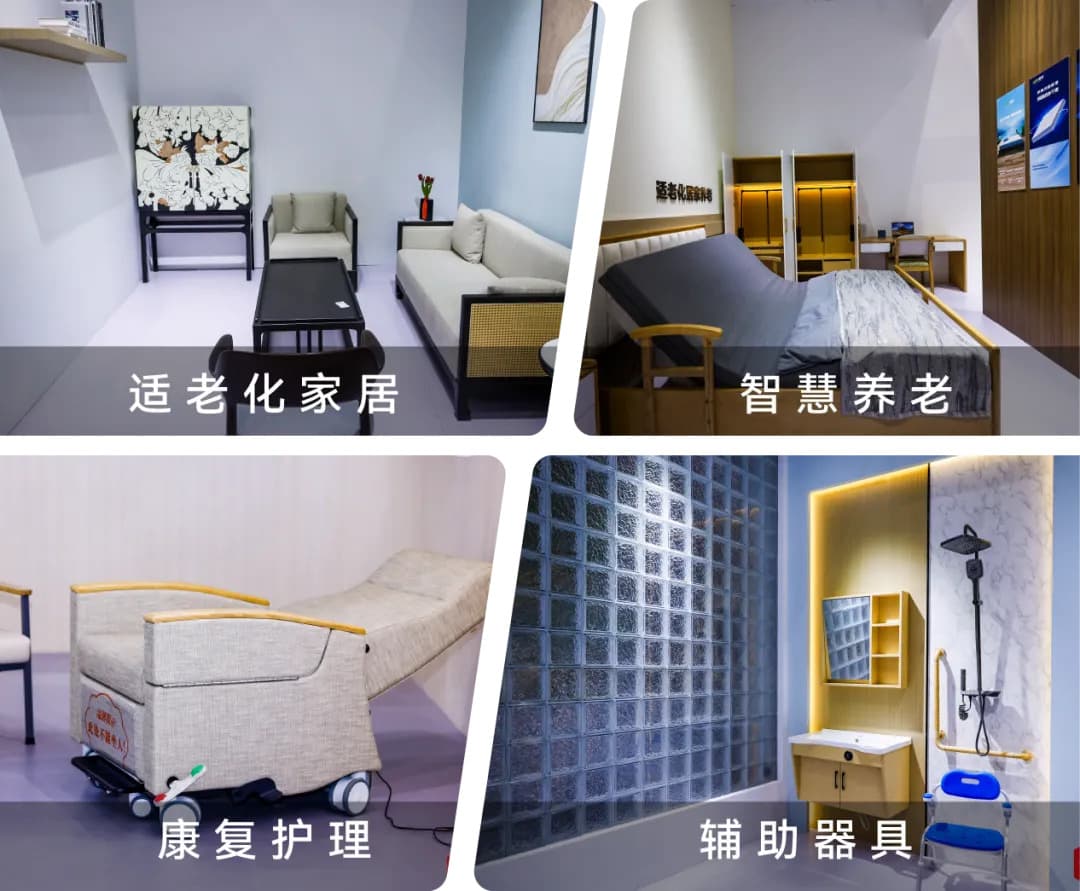
In March, the fair will present the Healthy Ageing Theme Exhibition in Hall 18.2 of Zone D at the Canton Fair Complex. Spanning approximately 10,000 square metres, the exhibition centres on the theme “New Silver Generation · New Scenarios · New Growth”, focusing on mid-to-high-end ageing furniture. It connects age-friendly furniture, smart elderly care solutions, assistive devices, daily care services and health management systems, responding to older adults’ aspirations for a better quality of life.
Beyond product and spatial showcases, a series of silver economy forums will invite designers, brands and industry partners to address a longer-term question: as more people choose to age at home, how can design, technology and services work together to create living environments that are not only functional, but genuinely humane?