Technology has long driven innovation in the furniture industry, traditionally focusing on mechanisms, manufacturing efficiency and smart devices. At CIFF Guangzhou, however, a new paradigm is emerging—one where technology is no longer the protagonist, but an invisible intelligence designed to improve everyday life.
Across the halls of the world's largest
furniture exhibition, a growing number of products point towards what could be
called the age of emotional furniture. Artificial intelligence, sensors and
adaptive systems are increasingly integrated into furniture and interiors, not
simply to add functionality, but to create more intuitive, responsive and
human-centred experiences
This evolution is particularly evident in the
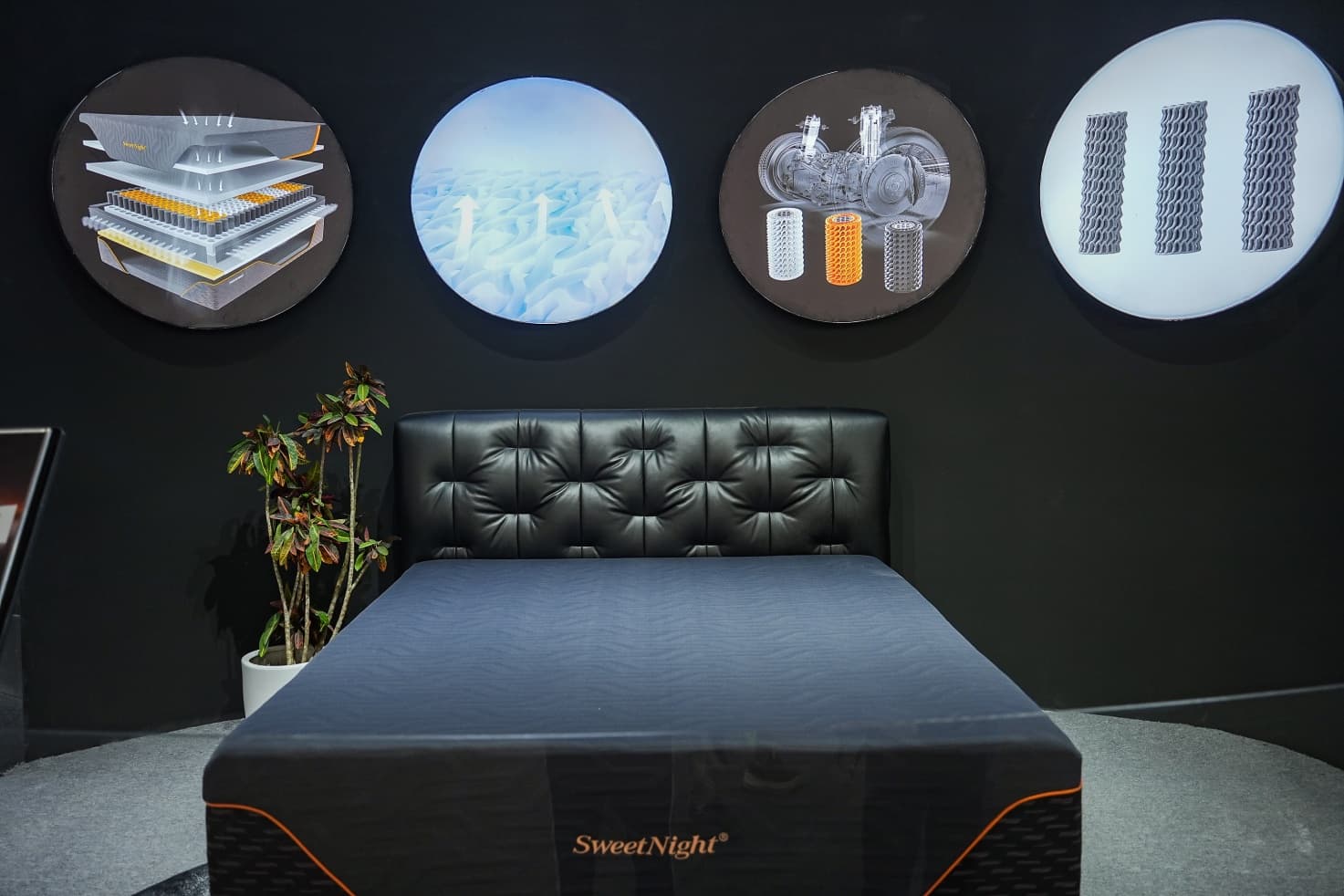
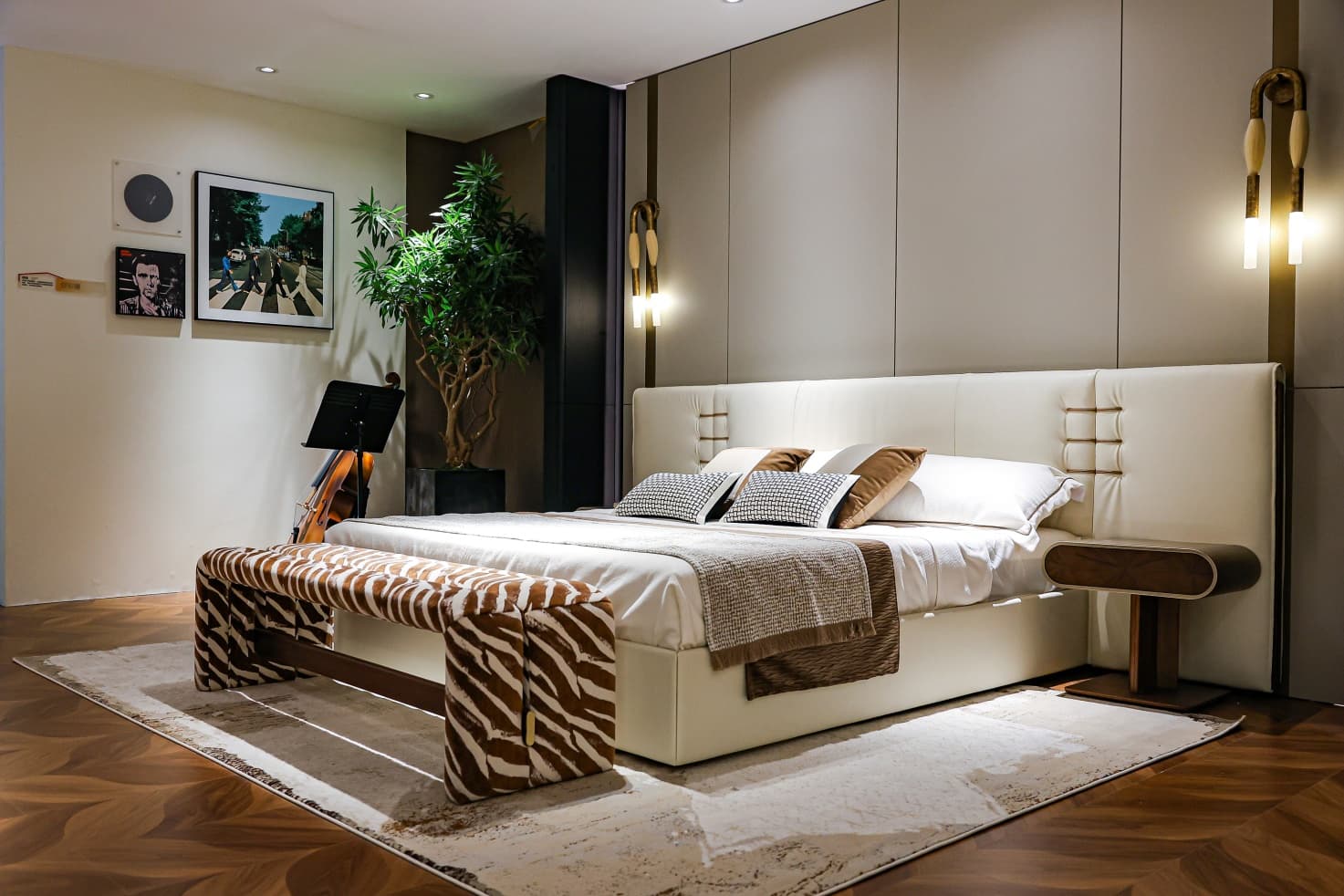
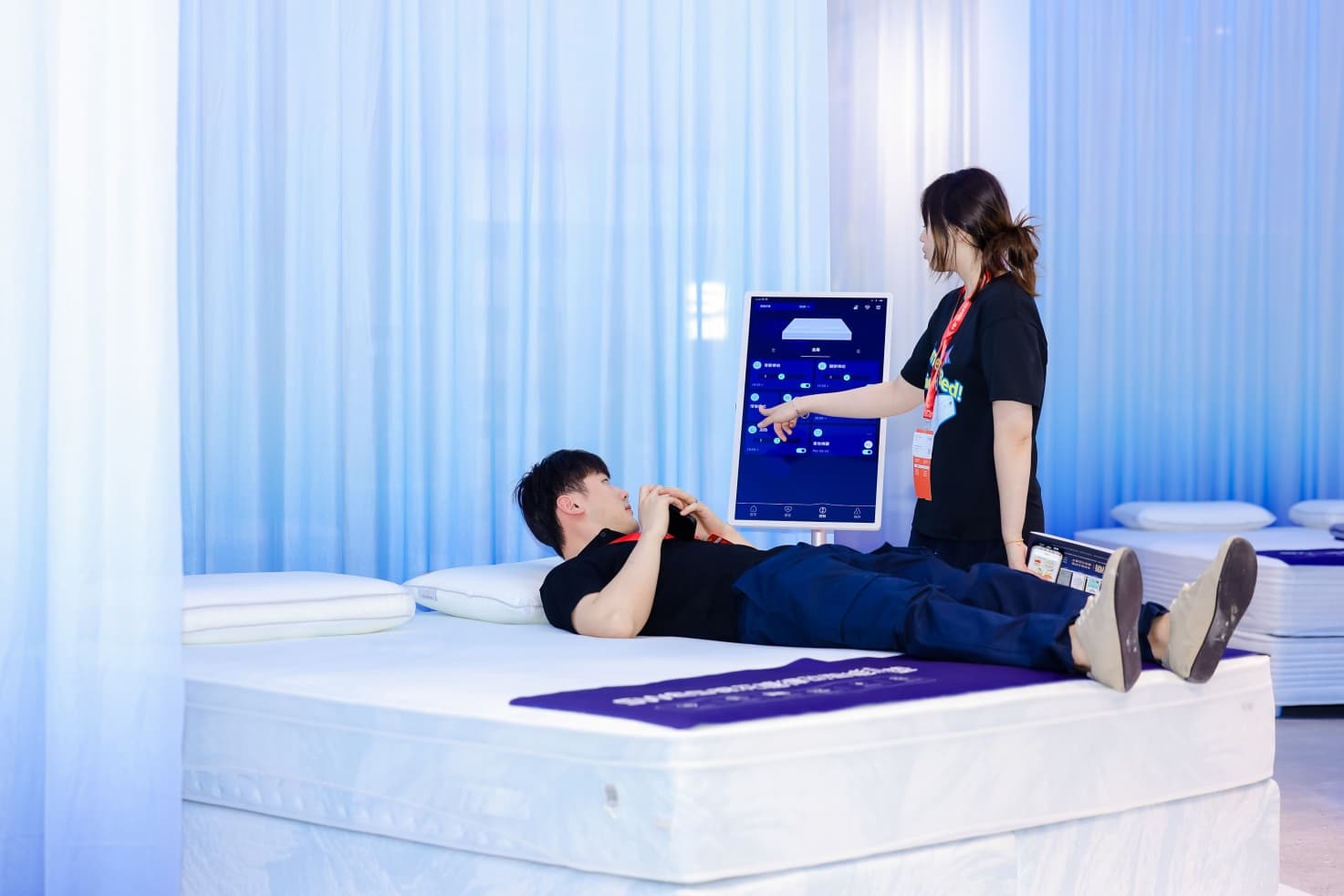
bedroom. Smart sleep systems now combine pressure mapping, posture analysis,
respiratory monitoring and adaptive support technologies capable of
continuously adjusting comfort throughout the night. Technology works quietly
in the background, personalising the experience without requiring active user
interaction.
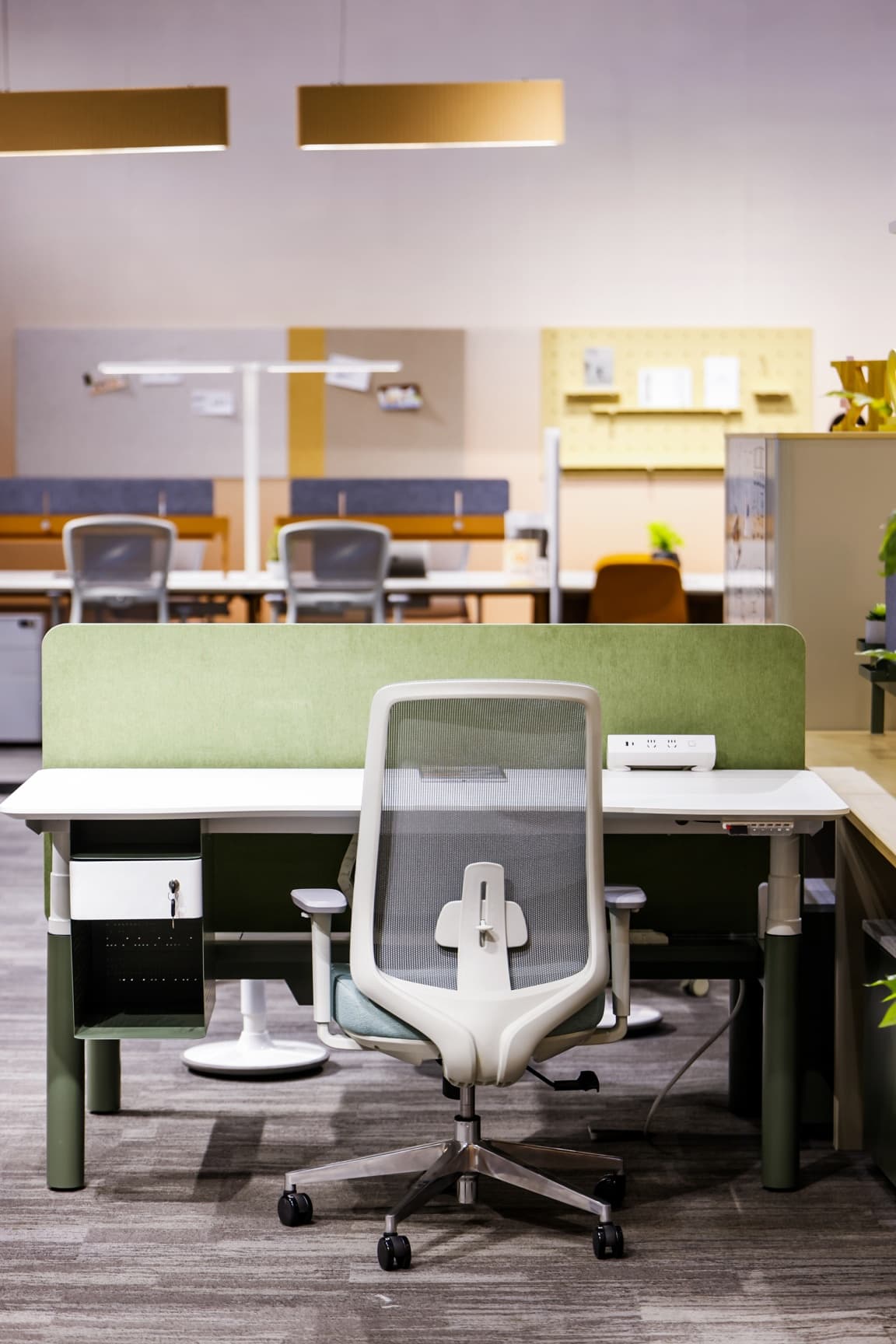
The same transformation is reshaping workplace
environments. Office furniture is increasingly designed to monitor posture,
movement and occupancy patterns, encouraging healthier habits while improving
comfort and wellbeing. Furniture is no longer a passive object, but an active
contributor to everyday performance.
Beyond ergonomics, another important trend is
the development of emotionally responsive environments. Integrated lighting,
acoustic systems and environmental controls adapt to people's activities and
changing needs, creating spaces that naturally support concentration,
relaxation or social interaction.
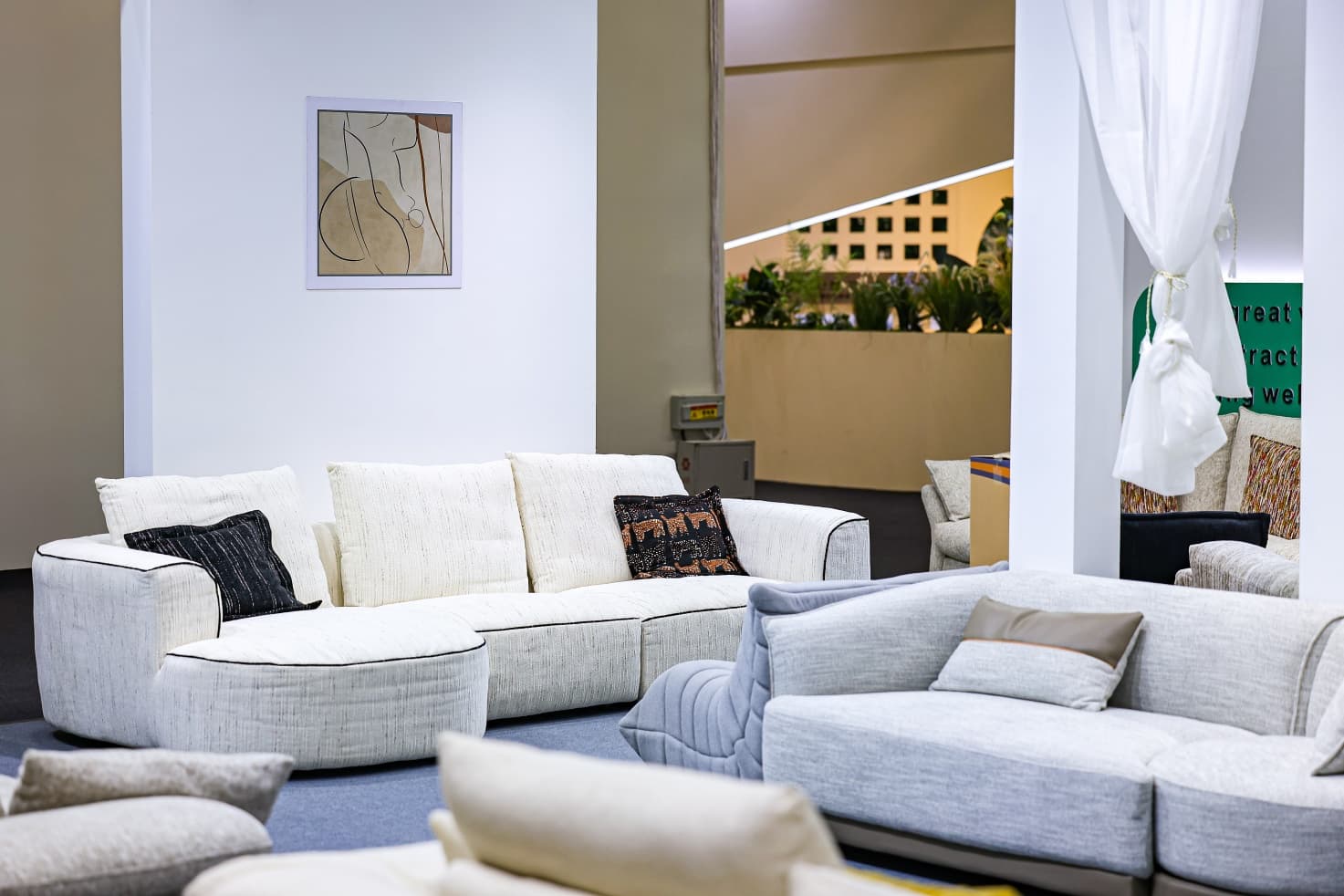
This reflects a broader cultural shift. As
wellbeing becomes a priority, designers are moving beyond technological
exhibitionism towards a more empathetic approach. Advanced technologies are
combined with natural materials, tactile surfaces, warm colours and biophilic
elements, creating environments that feel reassuring as well as intelligent.
Perhaps the most remarkable aspect of this
evolution is that the most advanced technologies are often those that remain
almost invisible. Artificial intelligence optimises comfort silently, sensors
collect data discreetly, and algorithms personalise the experience without
interrupting daily life. Technology fades into the background, allowing
furniture itself to become more intuitive, adaptive and ultimately more human.
CIFF Guangzhou has become one of the world's
most stimulating platforms for observing this transformation. Thanks to the
extraordinary speed at which the Chinese furniture industry converts research
into market-ready products, many innovations presented at the fair quickly move
from experimental concepts to commercial reality, offering professionals an
early glimpse of the trends that will shape international markets.