For decades, international observers have
looked at China primarily through the lens of manufacturing, production
capacity, and economic growth. Yet walking through the latest editions of CIFF
Guangzhou suggests that the country's largest furniture exhibition may be
revealing something much more profound.
Beyond products, brands, and business
opportunities, the fair increasingly offers a unique portrait of contemporary
Chinese society itself. The objects displayed across the exhibition halls do
not merely reflect market trends: they reveal how people live, work, age,
sleep, socialize, and redefine domestic life in one of the world's
fastest-changing societies.
In this sense, CIFF has become a social observatory.
The evolution of the fair mirrors the evolution of China itself.
One of the most visible transformations
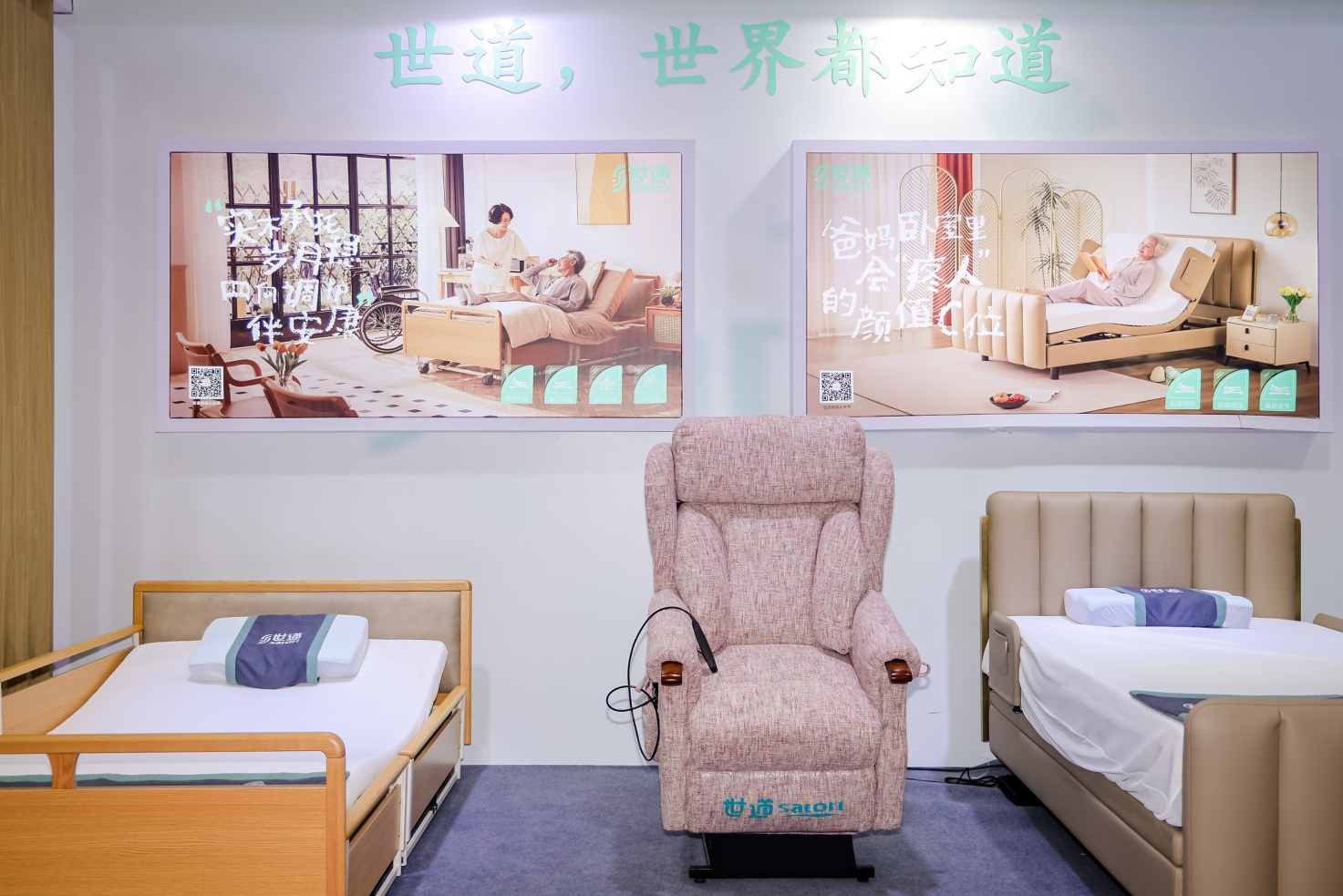
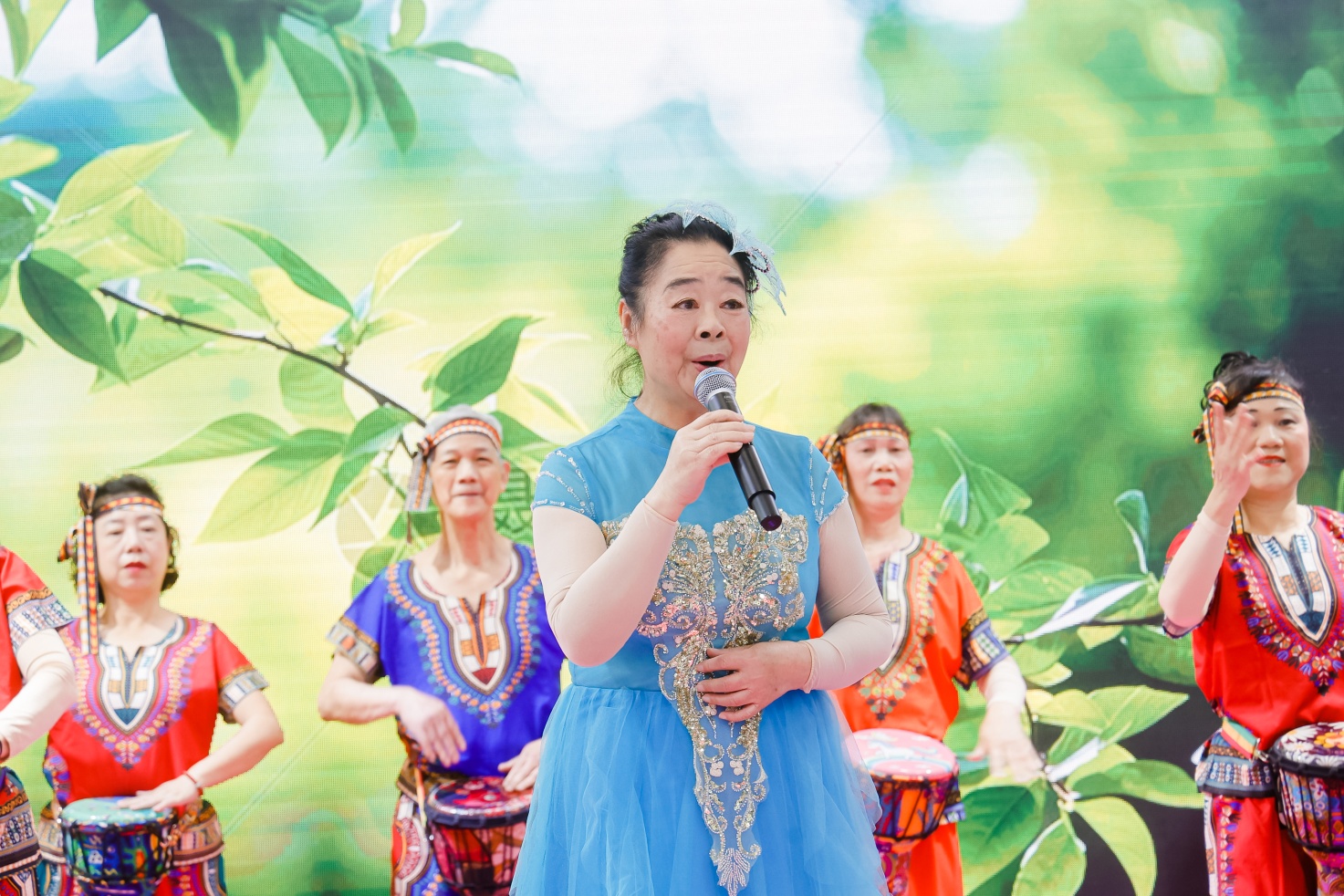
concerns demographics. The emergence of products and environments dedicated to
the Silver Economy reflects the growing impact of population aging on Chinese
society. As life expectancy increases and family structures evolve, designers
and manufacturers are increasingly developing furniture and living environments
that prioritize accessibility, comfort, safety, and wellbeing.
Unlike traditional healthcare solutions, many of these
products seek to integrate assistance discreetly into everyday life. Ergonomic
seating, adaptive bedrooms, intuitive interfaces, and age-friendly interiors
suggest a broader shift toward inclusive living environments that support
autonomy and quality of life.
At the same time, another social phenomenon has
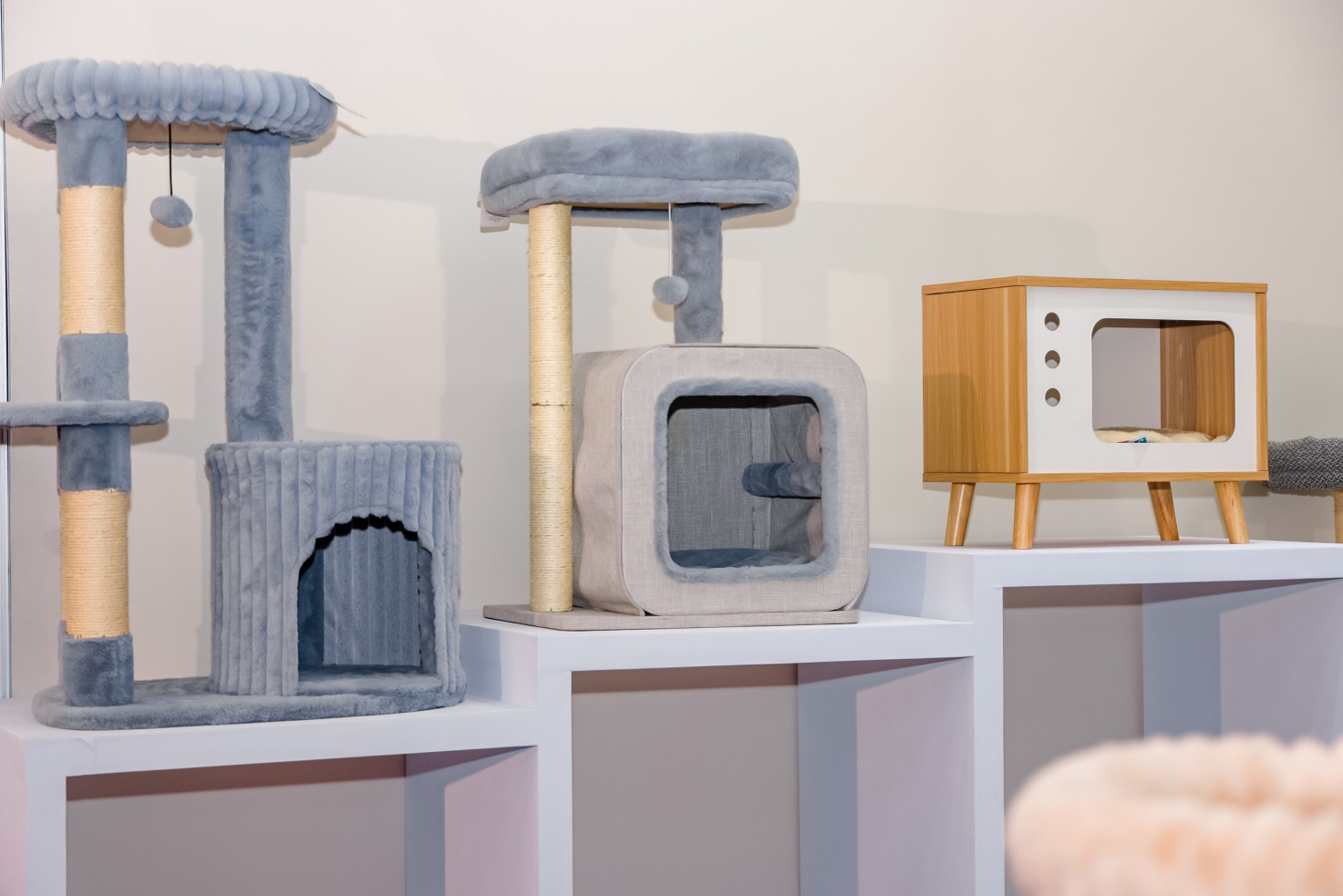
become increasingly visible throughout the exhibition: the rise of pet-oriented
lifestyles.
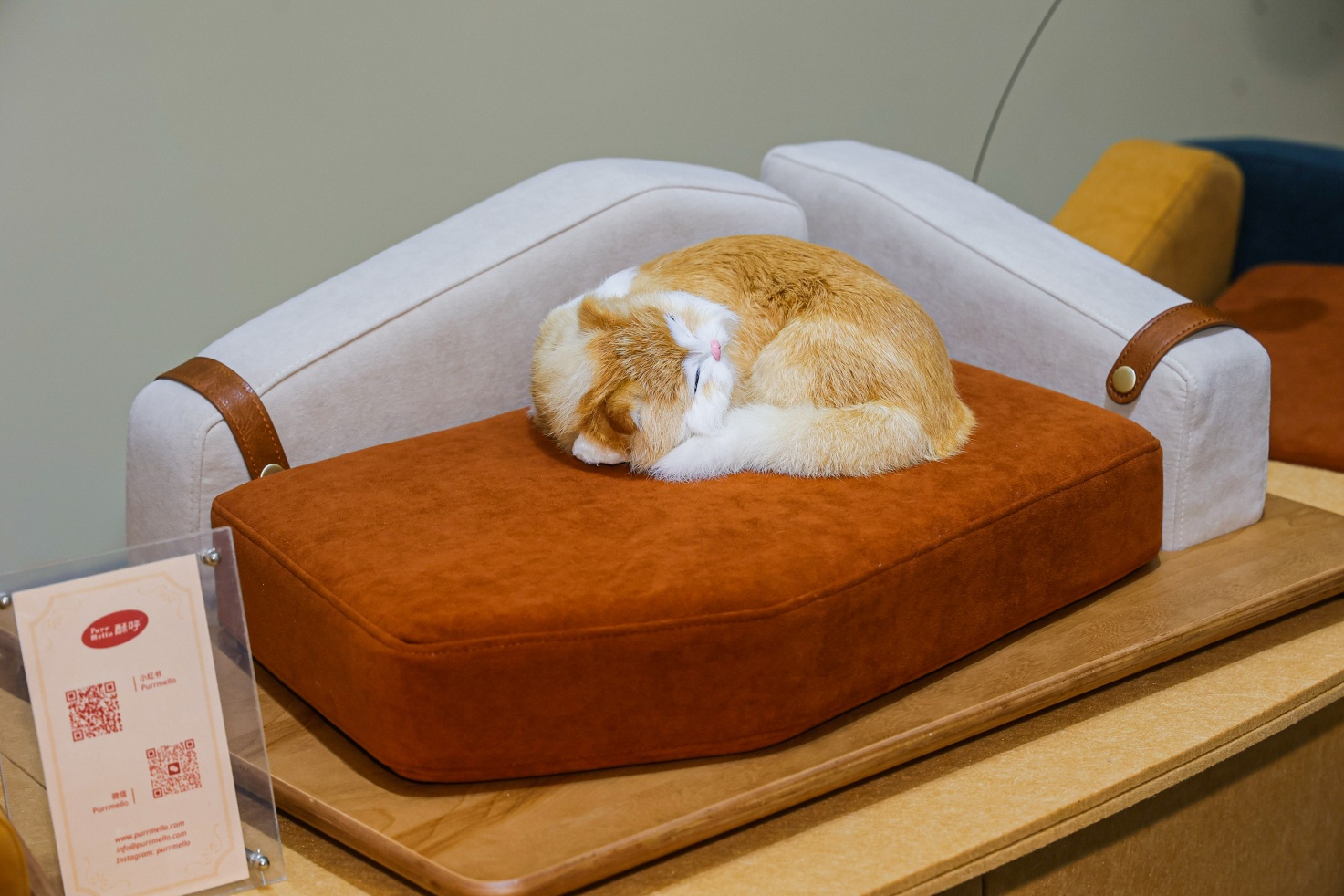
China's growing pet population is profoundly influencing
domestic design. Furniture systems, textiles, storage solutions, and interior
layouts increasingly consider companion animals as active members of the
household. This transformation reflects changing emotional relationships and
new family models, particularly among younger urban generations.
The home itself is also undergoing a
significant redefinition.
For many years, domestic environments were
largely associated with economic progress and material consumption. Today,
however, the notion of home appears increasingly connected to emotional
wellbeing, mental health, and personal identity.
Throughout CIFF, the expansion of
wellness-oriented products, acoustic comfort solutions, sleep technologies, and
emotionally comforting materials illustrates a broader cultural transition. The
home is no longer simply a place to live; it becomes a space for recovery,
protection, and psychological balance.
This shift is particularly evident among younger consumers.
Remote work, digital lifestyles, and changing
social behaviours have blurred the boundaries between work, leisure, and
domestic life. Flexible furniture systems, multifunctional interiors, and
adaptable spaces respond to increasingly hybrid ways of living.
The growing importance of wellness further
reinforces this transformation. Bedrooms become health environments. Living
rooms become spaces for emotional restoration. Workspaces prioritize comfort
and mental wellbeing alongside productivity.
Technology plays a crucial role in supporting these new lifestyles. Smart systems are increasingly integrated into furniture not to impress users, but to improve everyday experiences. Sleep monitoring, environmental controls, ergonomic adjustments, and wellness-oriented technologies indicate a future where furniture actively contributes to quality of life.
What makes CIFF particularly significant for
international observers is that many of these changes emerge first within
Chinese society before influencing global design markets. The speed of
urbanization, demographic transition, and technological adoption turns the
exhibition into a laboratory of future lifestyles.
For architects and designers, understanding
these transformations means looking beyond products and trends.
The furniture displayed at CIFF increasingly
reflects social needs, emotional expectations, demographic changes, and
evolving cultural values. The fair therefore becomes much more than a
commercial event: it becomes a mirror of contemporary China.
And perhaps this is its most valuable
contribution to the global design conversation.
By observing how Chinese society is changing, designers may also gain insight into how homes, workplaces, and lifestyles around the world could evolve in the years ahead.