The 57th edition of CIFF Guangzhou highlighted a profound transformation taking place across the global furniture industry. Furniture is no longer conceived as a static object, but as an intelligent, adaptive system designed to respond to people, spaces and changing lifestyles.
Held at the Canton Fair Complex in March 2026, the world's largest furniture exhibition once again proved to be a privileged observatory of the future. Beyond its impressive scale—850,000 sqm, thousands of exhibitors and visitors from almost every major international market—the fair revealed how technology is rapidly becoming an integral, yet almost invisible, part of contemporary furniture.
Rather than showcasing isolated smart products, CIFF presented a broader vision in which technology, wellbeing, sustainability and design increasingly converge. Five key innovation areas, in particular, stood out.
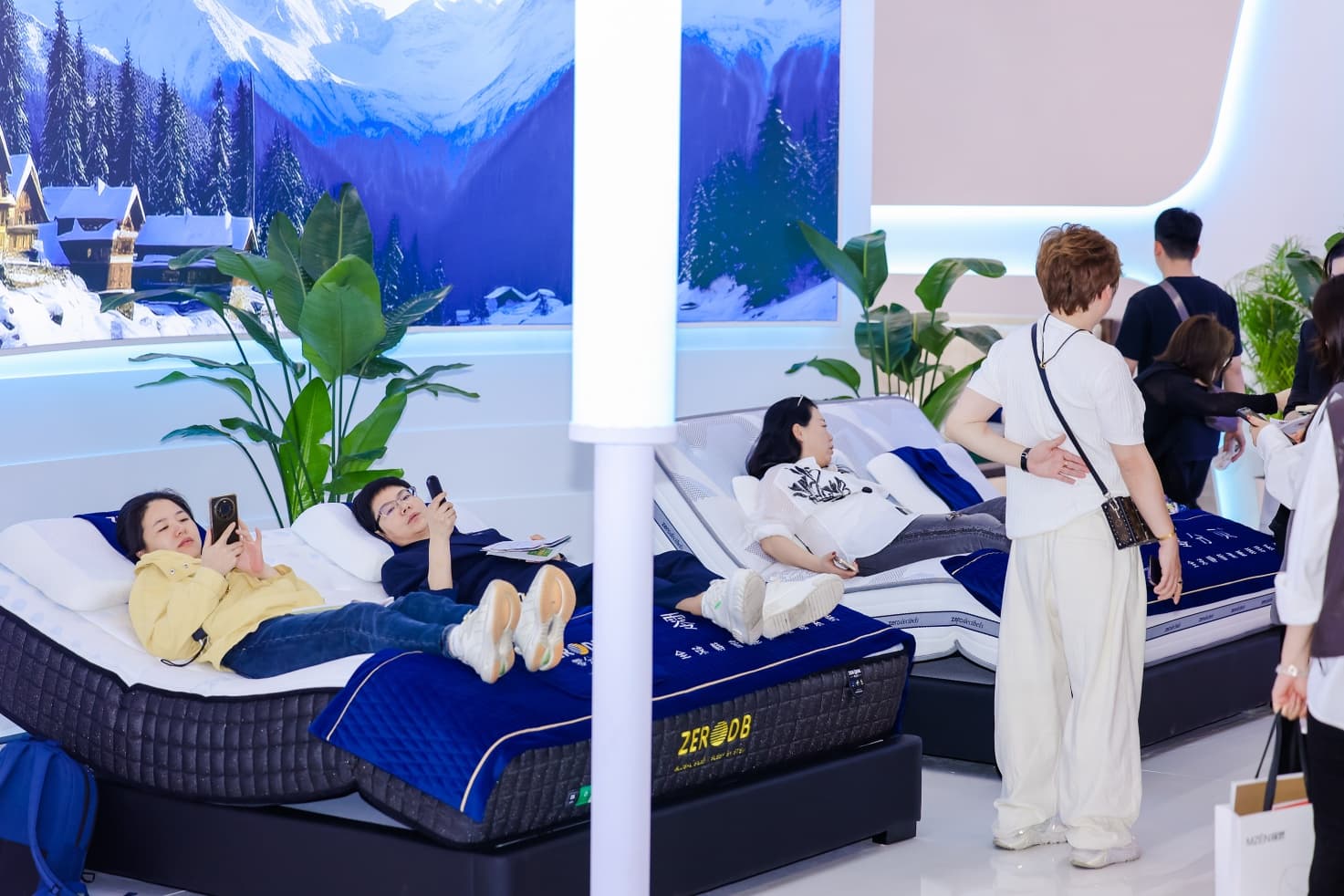
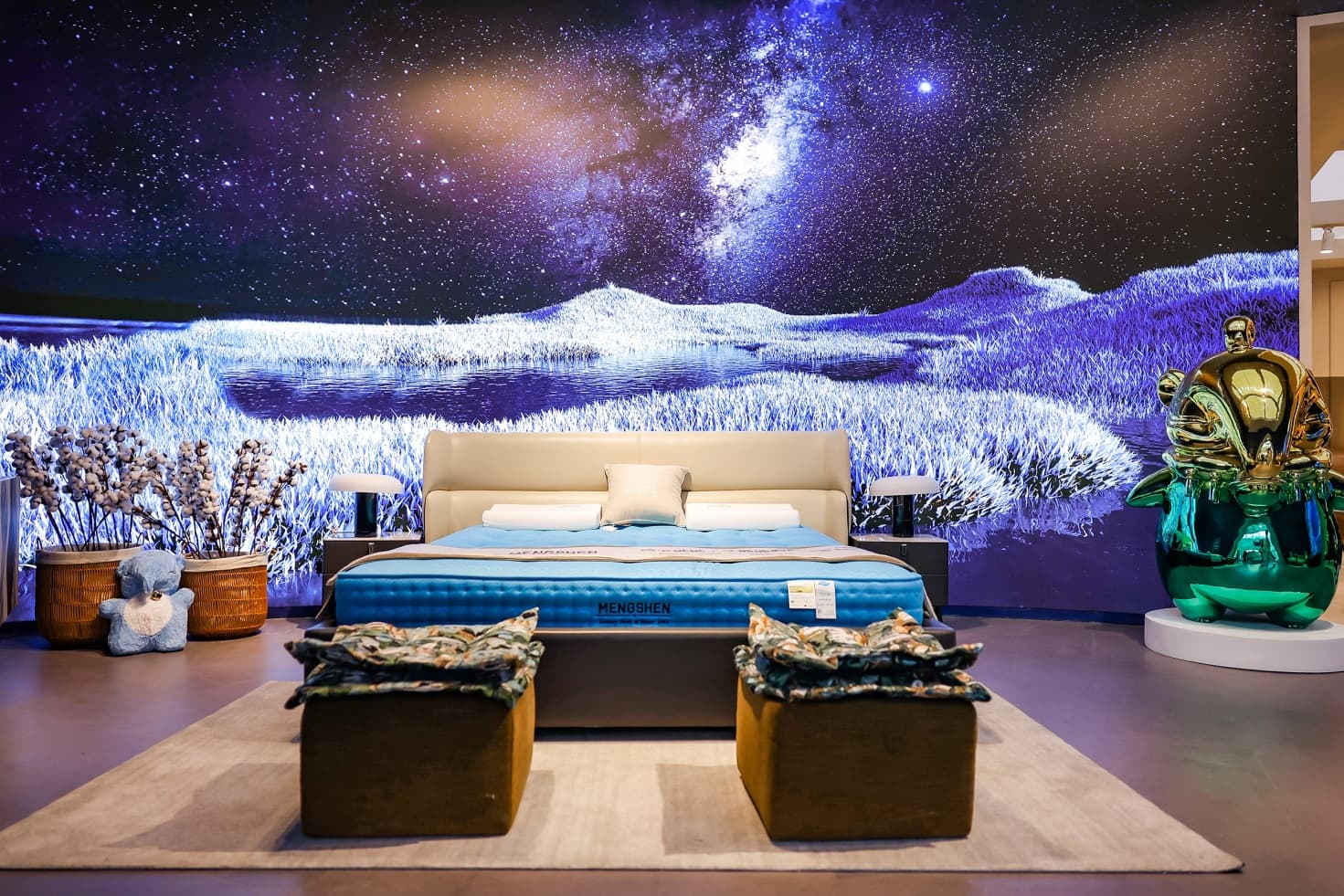
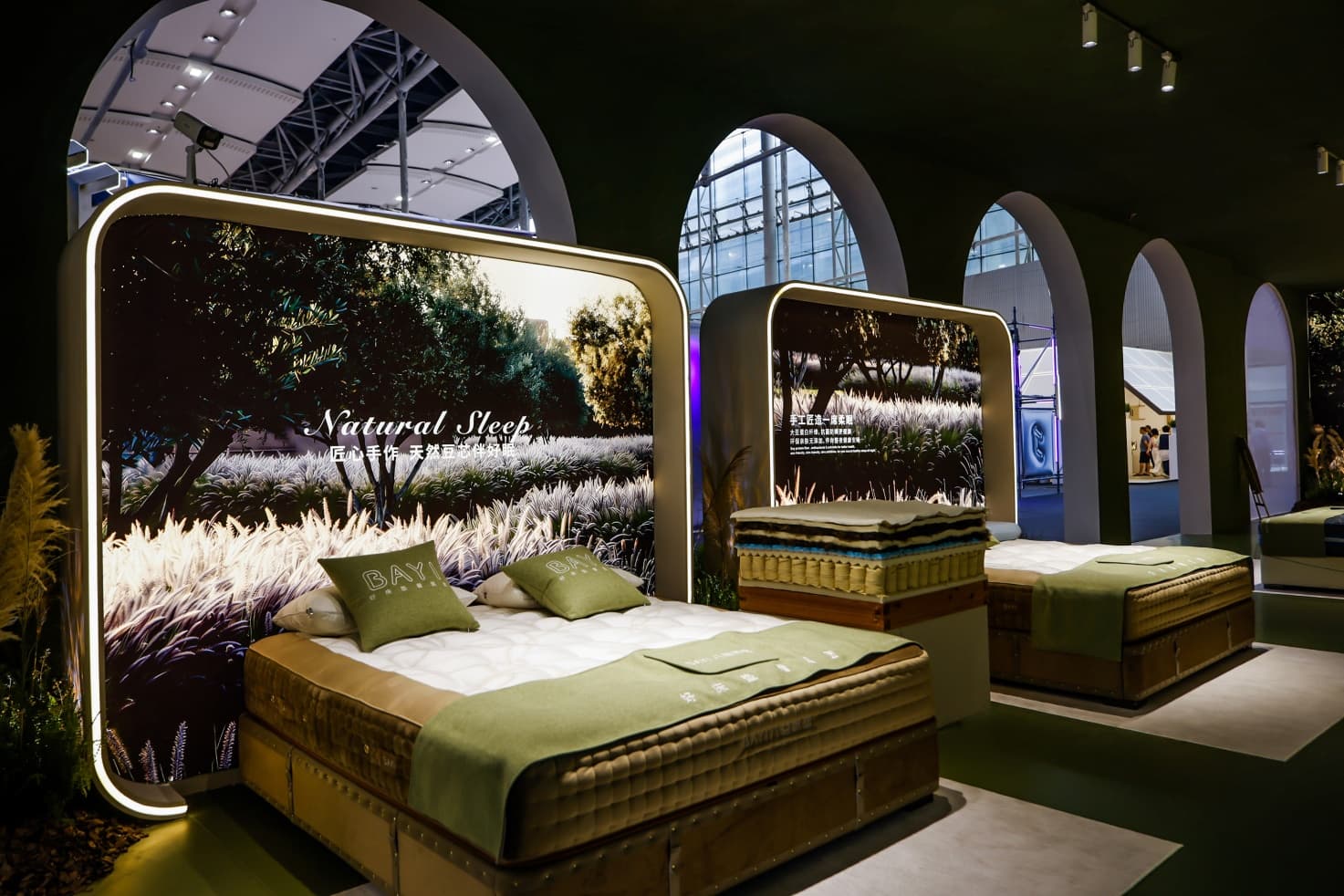
The first is the evolution of AI-driven sleep systems.
Smart beds and mattresses now combine pressure mapping, posture recognition and
adaptive support technologies capable of adjusting comfort in real time. Some
solutions also monitor breathing, heart rate and sleep quality without wearable
devices, transforming the bedroom into a truly personalised wellness
environment.
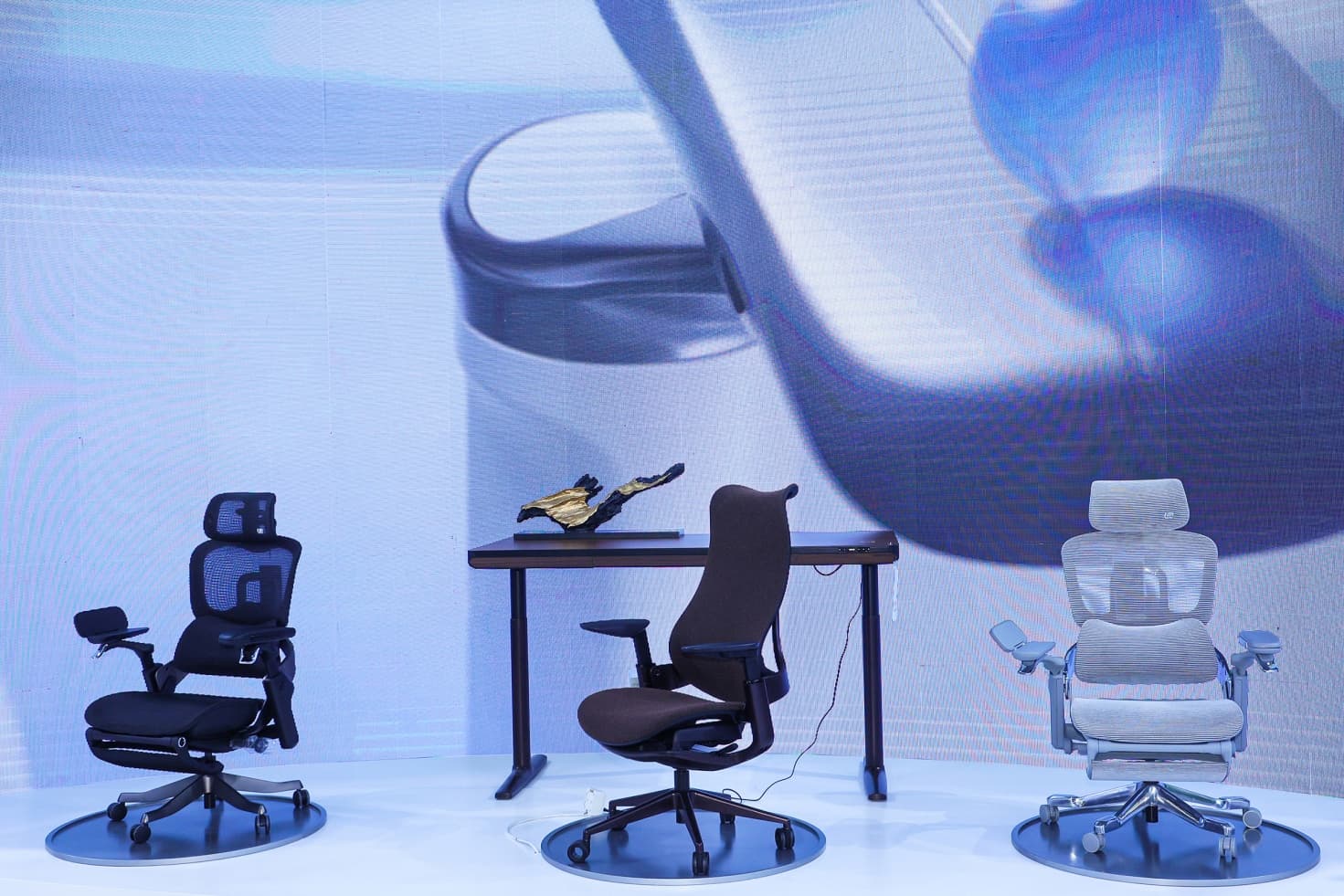
A second major trend is the rise of responsive ergonomic workspaces. Beyond height-adjustable desks, exhibitors presented office furniture equipped with sensors able to analyse posture, occupancy and sedentary behaviour, encouraging healthier habits while dynamically adapting to users throughout the working day.
Equally
significant is the growing demand for flexible living environments. As urban
homes become smaller and hybrid lifestyles more widespread, intelligent storage
systems, transformable furniture and multifunctional spaces are redefining
domestic interiors. One of the most remarkable aspects is how seamlessly
automation is integrated into design: technology no longer dominates aesthetics
but disappears within clean, elegant forms.
Innovation
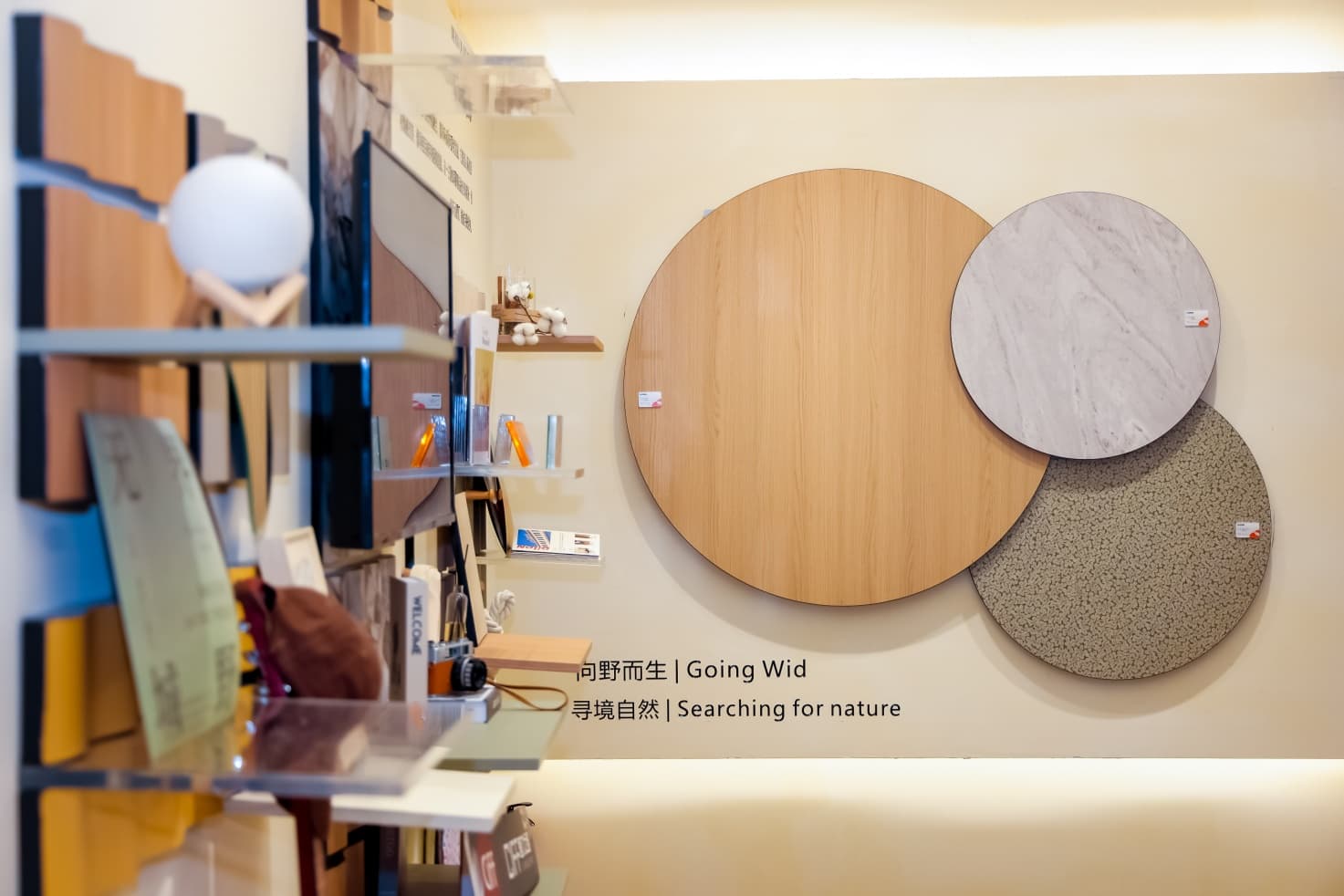
is also accelerating the transition towards more sustainable production.
Exhibitors showcased recycled composites, bamboo-based materials, low-emission
finishes, biodegradable components and circular manufacturing solutions
designed for easier reuse and recycling. Sustainability is no longer an added
feature—it is becoming an essential element of product development.
Finally,
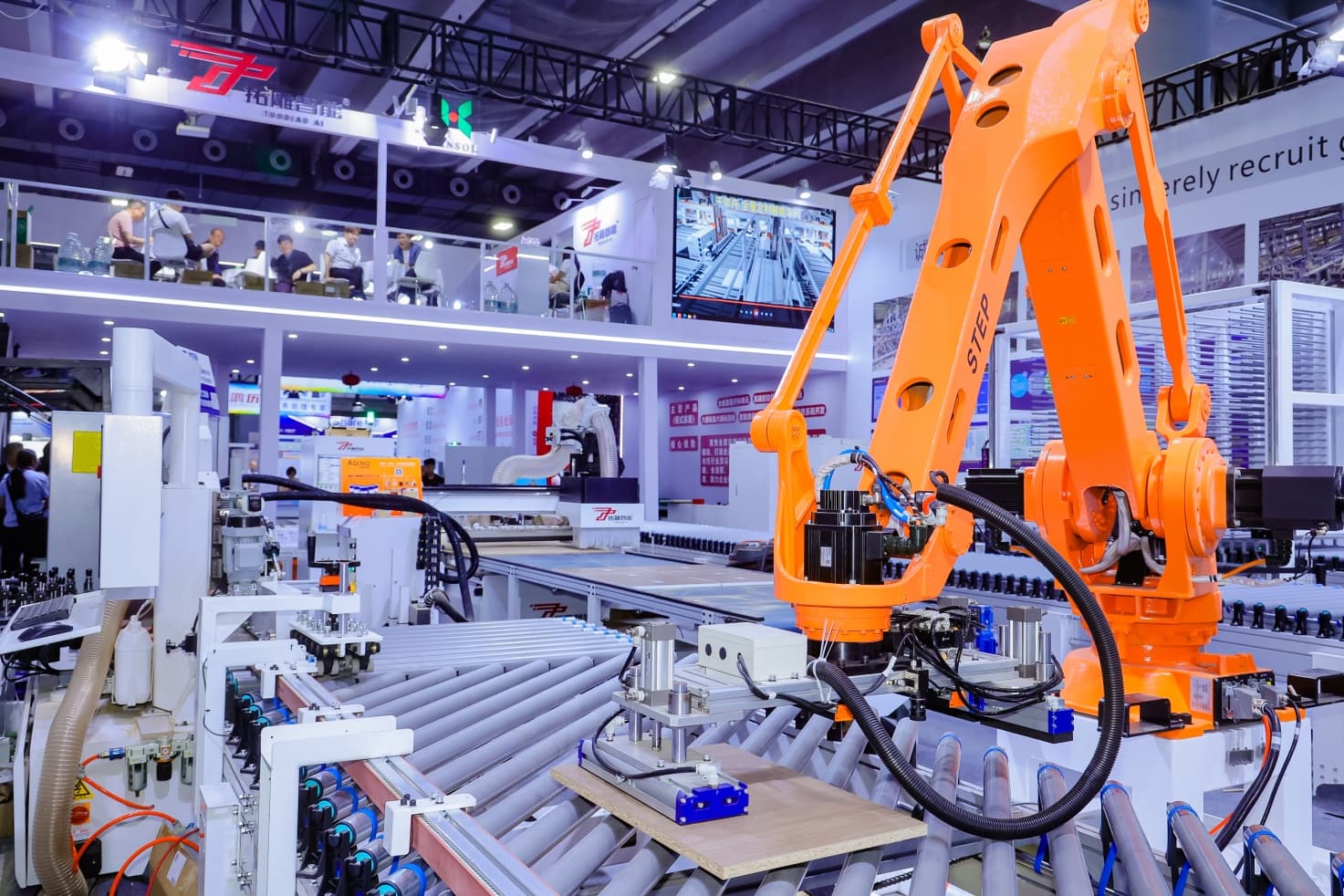
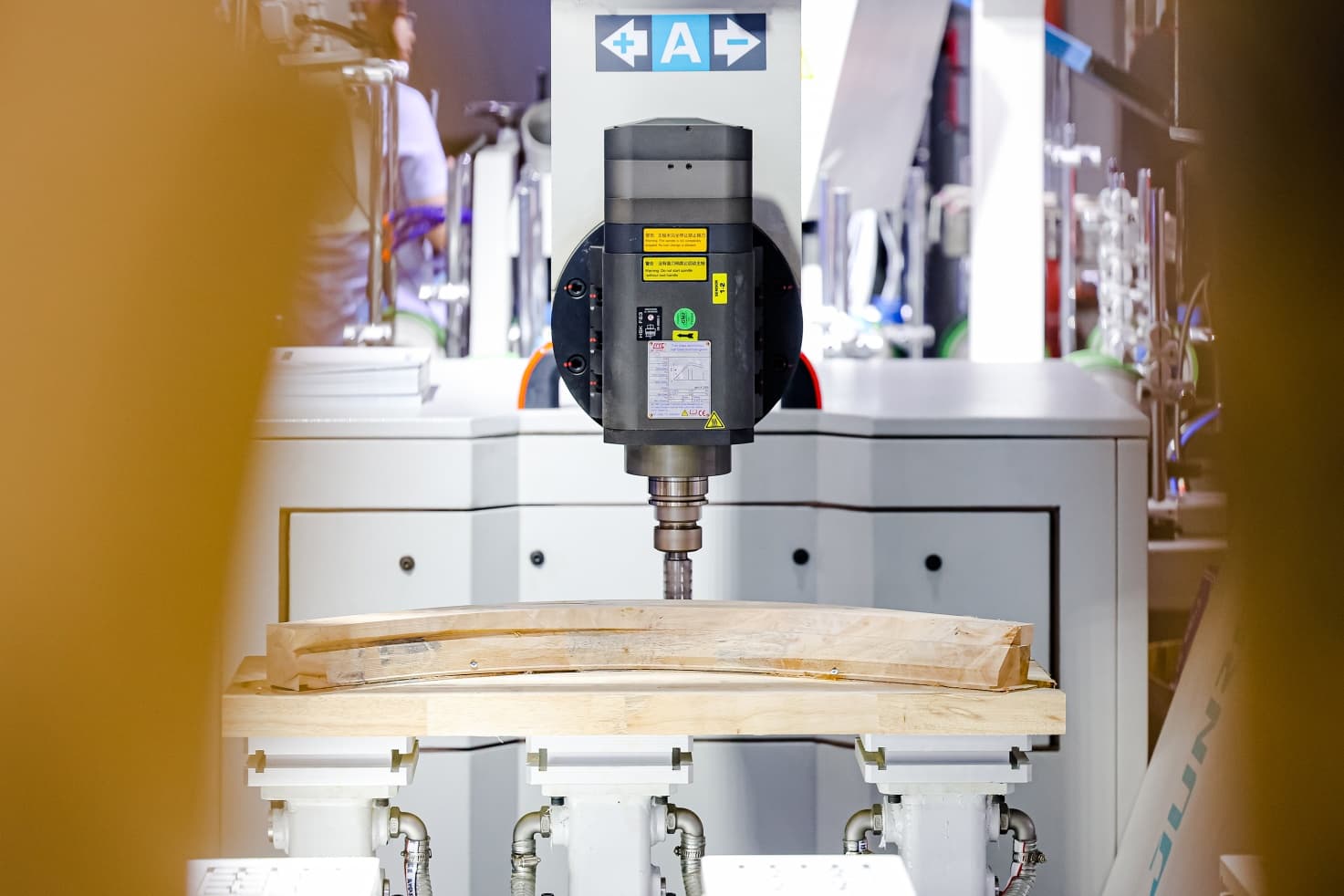
Industry 4.0 technologies continue to reshape furniture manufacturing.
Robotics, digital monitoring, flexible production and real-time data management
are enabling manufacturers to combine industrial efficiency with unprecedented
levels of product customisation, opening new opportunities for both companies
and international markets.
Beyond these technological developments, CIFF
Guangzhou also reflected broader cultural changes. Wellness-oriented interiors,
ageing-friendly solutions, emotionally responsive environments and
human-centred design all pointed towards a future where furniture actively
contributes to everyday wellbeing rather than simply occupying space.
Perhaps the most compelling message emerging from Guangzhou is that the
traditional boundaries between furniture, architecture, healthcare and digital
technologies are rapidly disappearing. Furniture is becoming part of a
connected ecosystem capable of improving comfort, supporting wellbeing and
adapting continuously to people's needs.
This is precisely why CIFF Guangzhou has become much more than a trade fair. It
is an international platform where emerging technologies quickly move from
experimental concepts to market-ready solutions, offering architects,
designers, manufacturers and buyers an early view of the innovations that will
shape the global furniture industry.
The future of furniture is no longer defined by individual smart features. It
lies in the seamless integration of intelligence, sustainability and human
experience—and once again, CIFF Guangzhou has demonstrated that it is one of
the world's leading stages where this future takes shape.