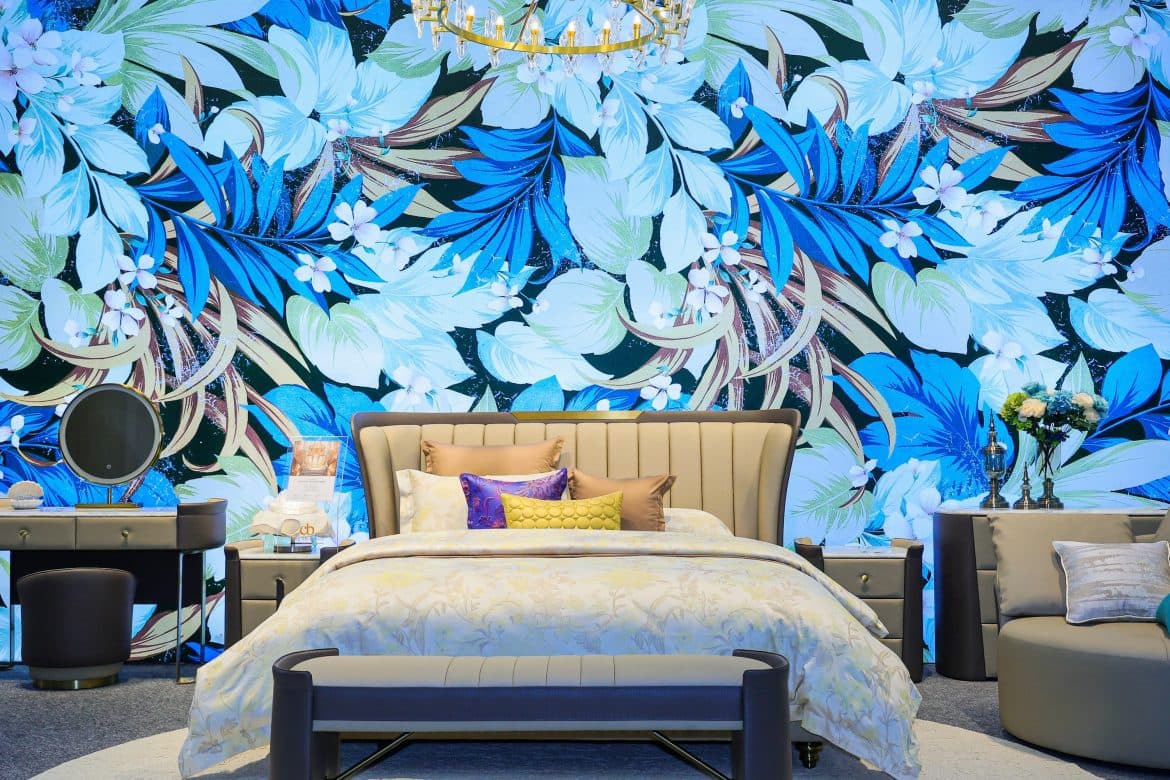
From falling asleep to sleeping well
Sleep is increasingly being reframed as
part of everyday health management. Across the industry, brands are integrating
sensing technologies, algorithms and structural design to create beds that
respond to sleeping posture, body support and relaxation rhythms in real time.
This shift made smart sleep one of the key
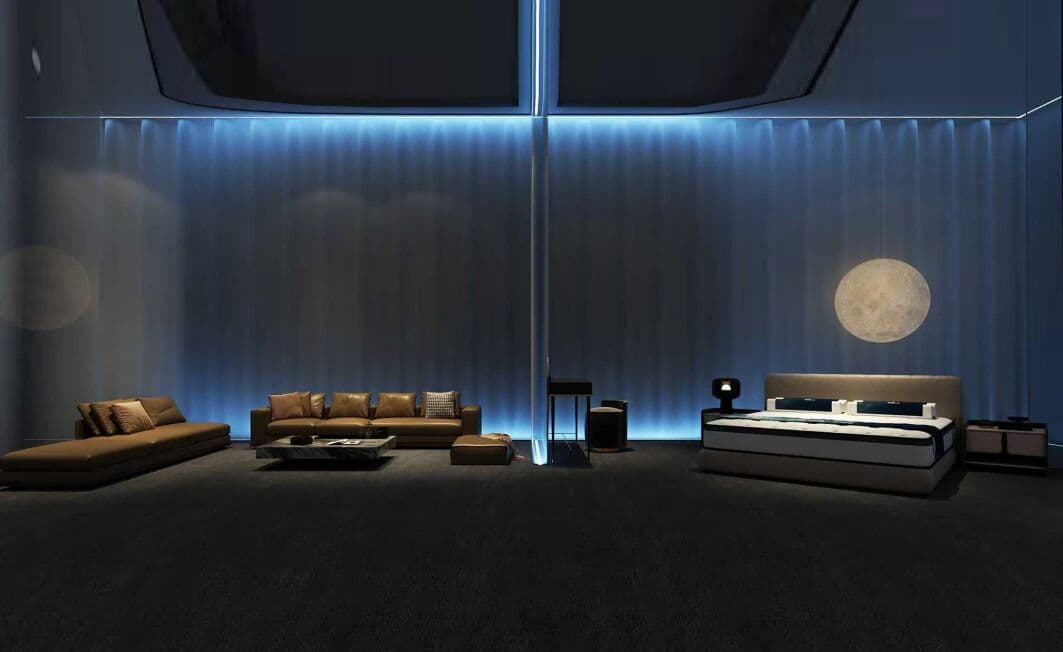
focuses at CIFF Guangzhou this year. Inside Hall 5.2’s Smart Sleep Ecosystem
Pavilion, visitors encounter a complete lifestyle system built around “health
sleep technology” – spanning smart mattresses and adjustable beds to
sleep-monitoring systems, massage chairs and multifunctional sofas.
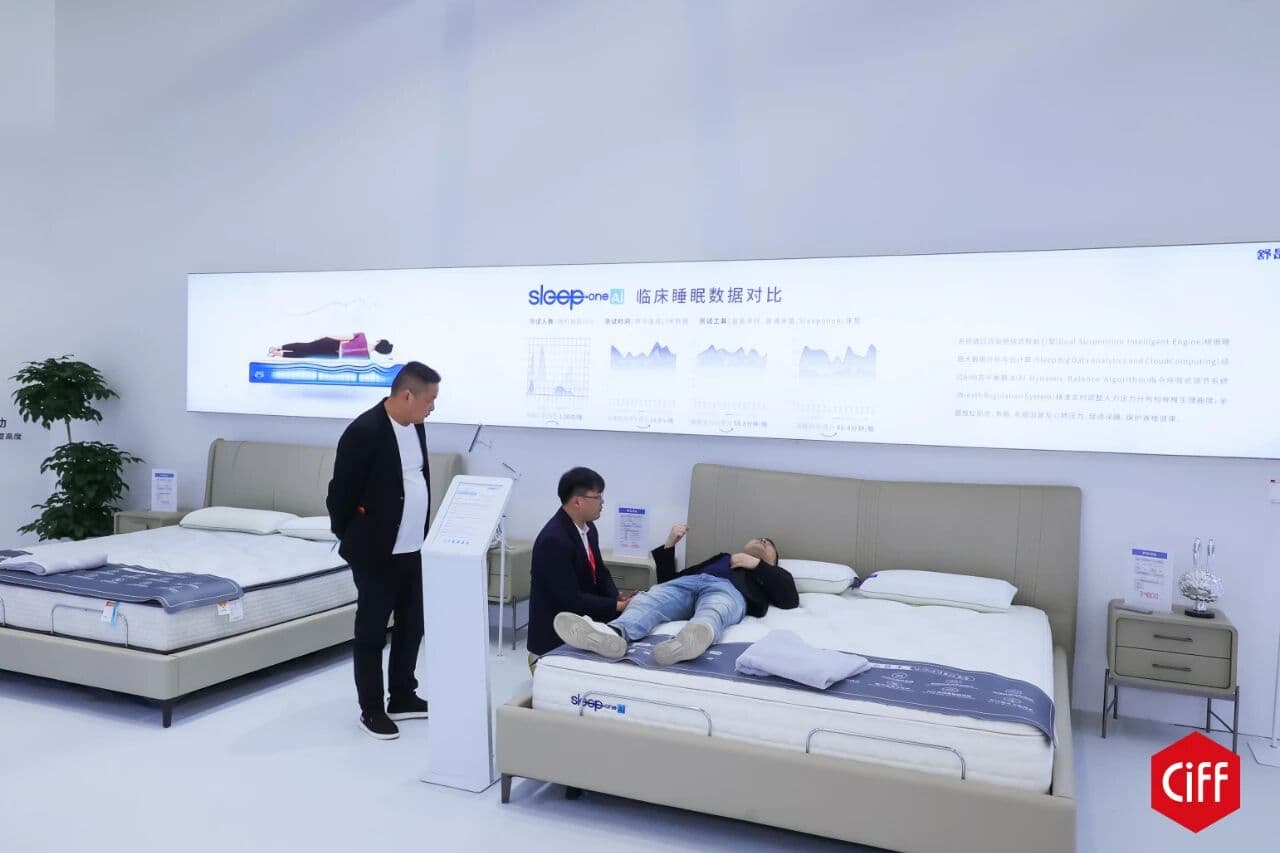
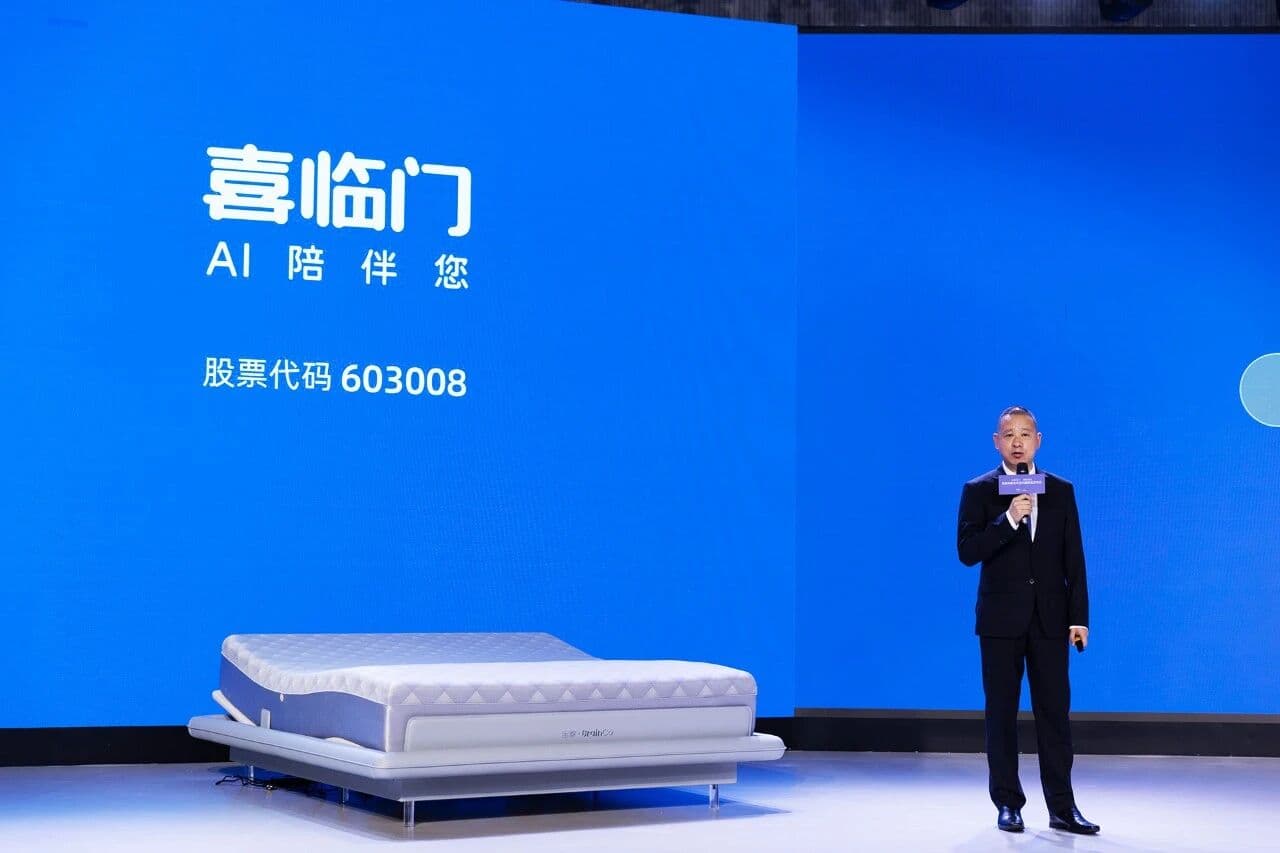
Among the highlights is the brain–computer
interface AI mattress jointly developed by SLEEMON and BRAINCO. Using
non-invasive sensors to detect relaxation signals from brainwaves, the system
adjusts sleep parameters in real time through AI algorithms.
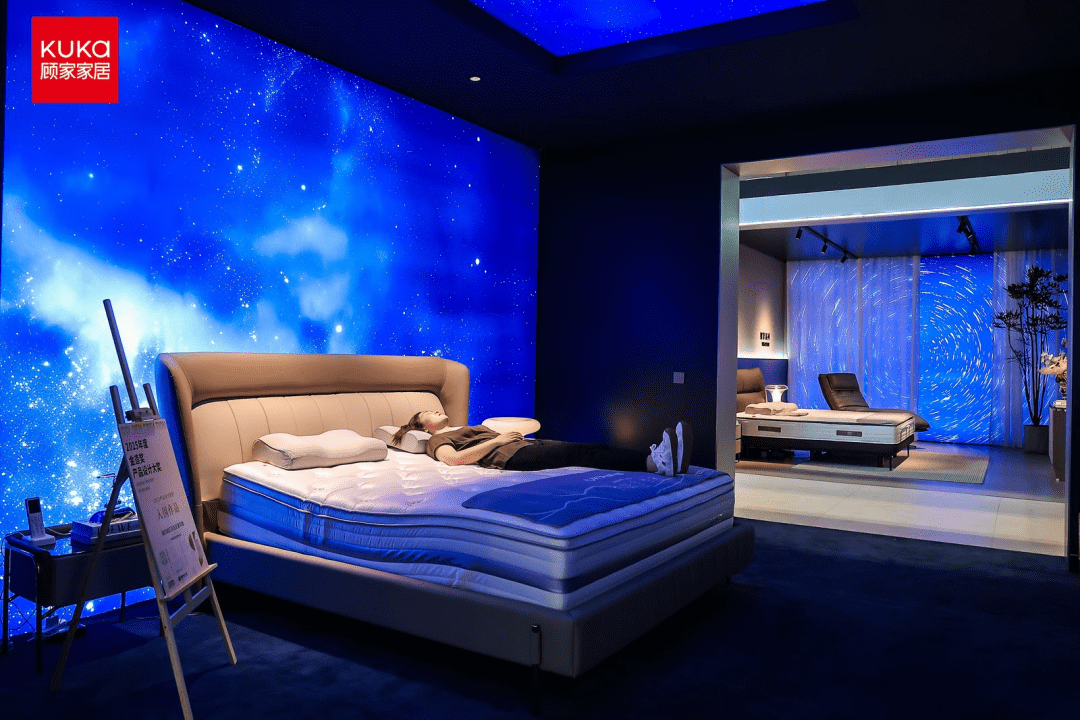
Meanwhile, KUKA HOME’s AI mattress series
uses multi-dimensional sensors and sleep data models to fine-tune support based
on body posture, with control available via voice, remote or mobile app. Custom
sleep systems by SANCI go further, calculating mattress firmness using BMI
data, body-type profiling and pressure distribution across six body zones.
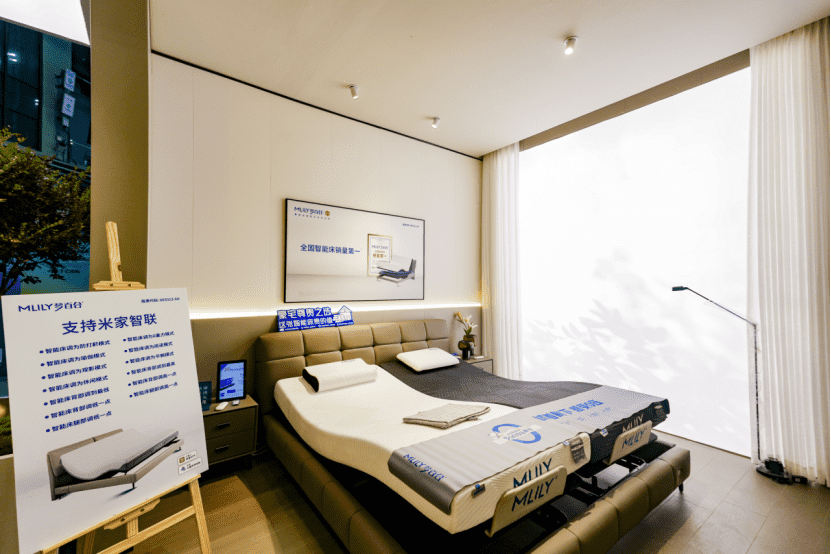
At the same time, MLILY’s L7 Zero-Pressure
Smart Bed has been integrated into HarmonyOS’s smart home ecosystem, allowing
users to switch between reading and sleep modes with a simple voice command
while automatically generating sleep reports.
Across these developments, a shared
direction is clear: technology is moving quietly into the background. Instead
of complex interfaces, beds now make decisions on behalf of users, subtly
adjusting throughout the night to maintain consistent sleep quality from
pre-sleep to waking.
Furniture begins to respond to emotional
states
Beyond sleep, rest itself is being
redefined. At CIFF, furniture is no longer designed around form or single
functions alone, but around support, ergonomics and intelligent adjustment –
addressing everything from solo relaxation to social interaction.
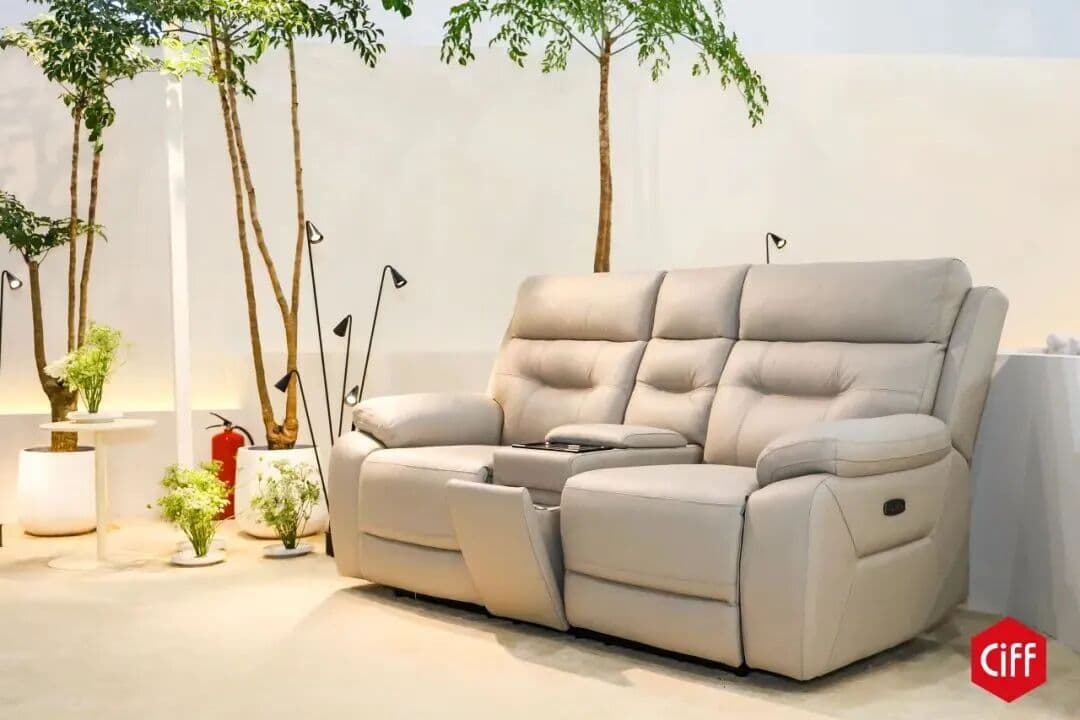
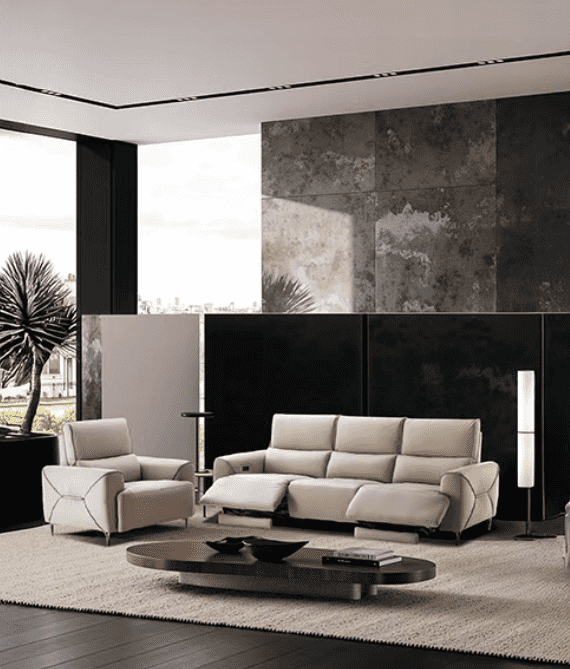
LINSY’s “Tipsy” sofa, for example,
translates the in-between emotional state of modern urban life – somewhere
between alertness and release – into seating comfort, using its Sense+ 2.0
system and proprietary mechanism to support virtually any posture.
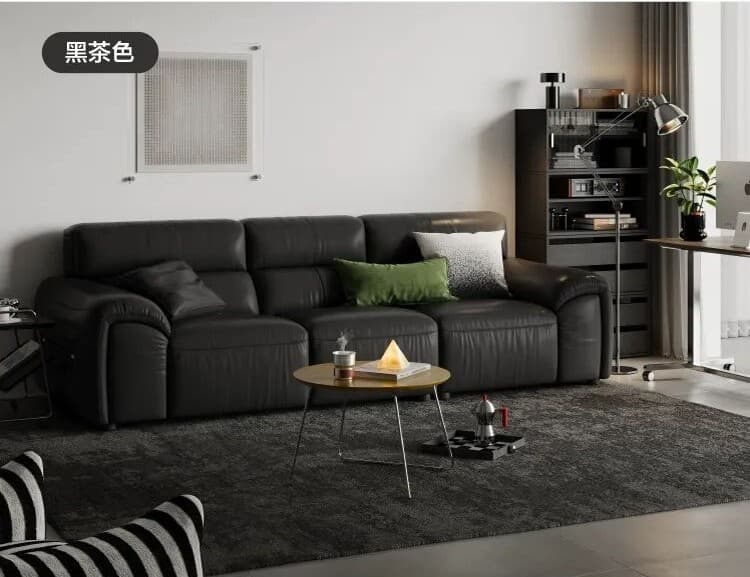
SKYLINE’s Yunxiang adjustable series uses
zero-gravity motors to simulate weightless comfort, paired with wall-hugging
designs that suit compact apartments – allowing users to watch, read or unwind
comfortably even in small spaces.
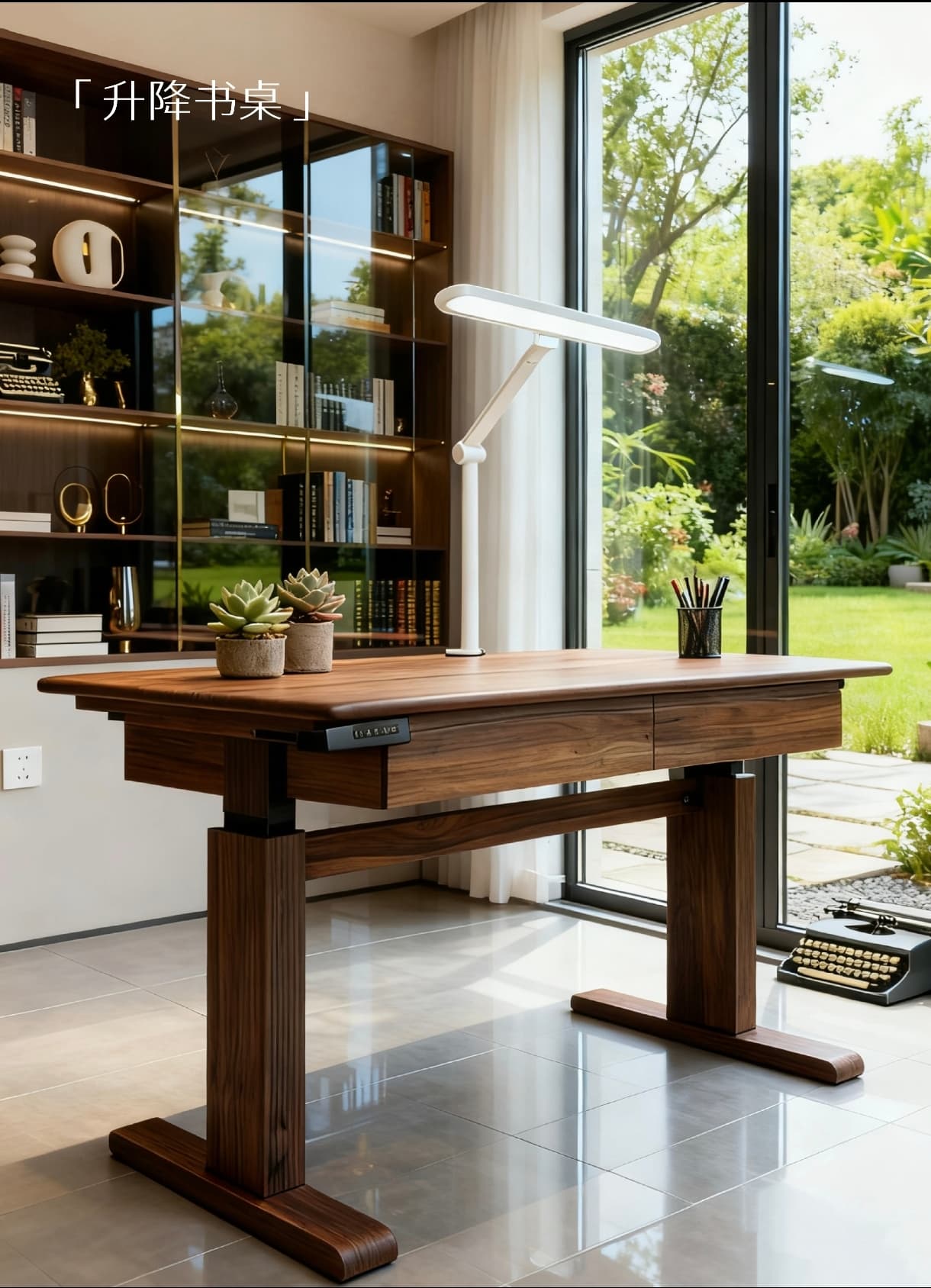
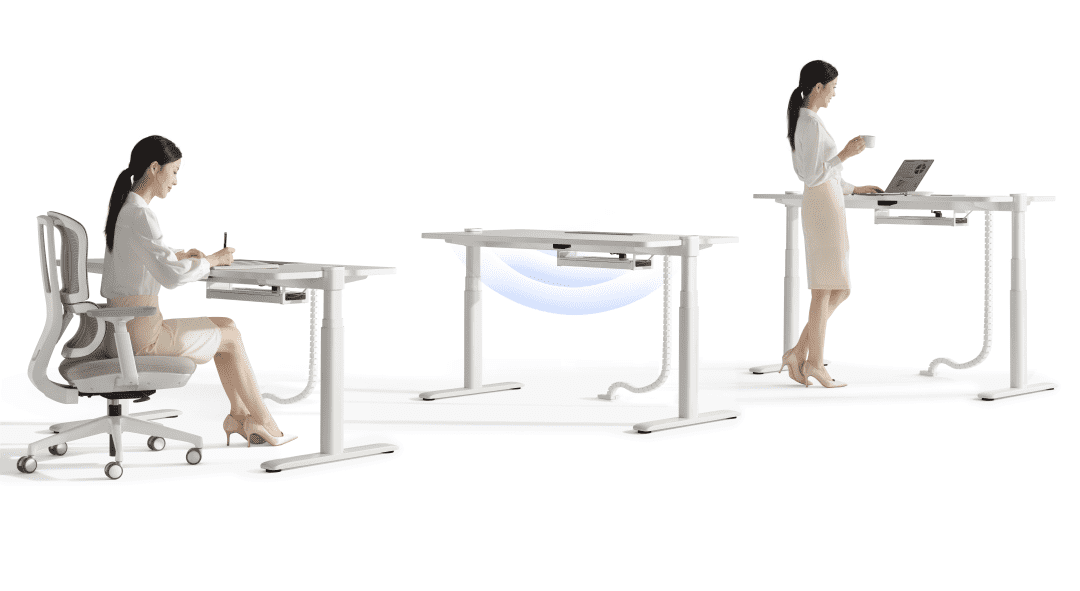
Elsewhere, NICE HOME embeds
height-adjustable functionality into walnut-finished desks, enabling effortless
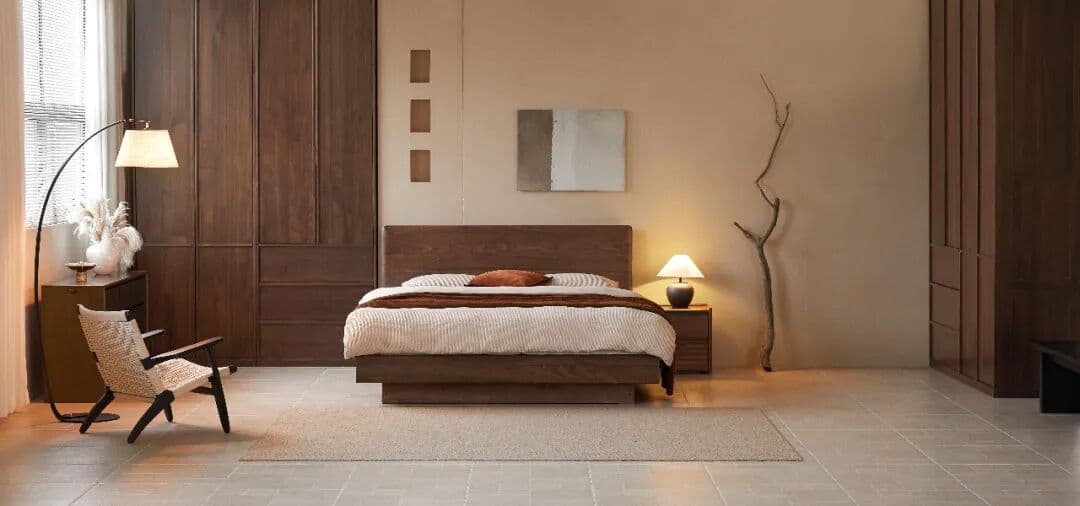
transitions between sitting and standing. YESWOOD takes a different approach,
concealing technology within craftsmanship: its electric storage bed preserves
natural wood aesthetics while introducing motorised structures to increase
storage flexibility for smaller homes.
Furniture is increasingly designed to move
in sync with daily routines. Desks rise and fall intuitively, sofas adapt to
changing postures, and domestic spaces begin to behave less like static
interiors and more like environments that actively support everyday life.
When workplaces adapt to human rhythms
The same transformation is unfolding in
office environments. Responding to growing demand for healthy workplaces,
technology is shifting its focus from productivity alone to physical comfort,
posture change and long-term wellbeing.
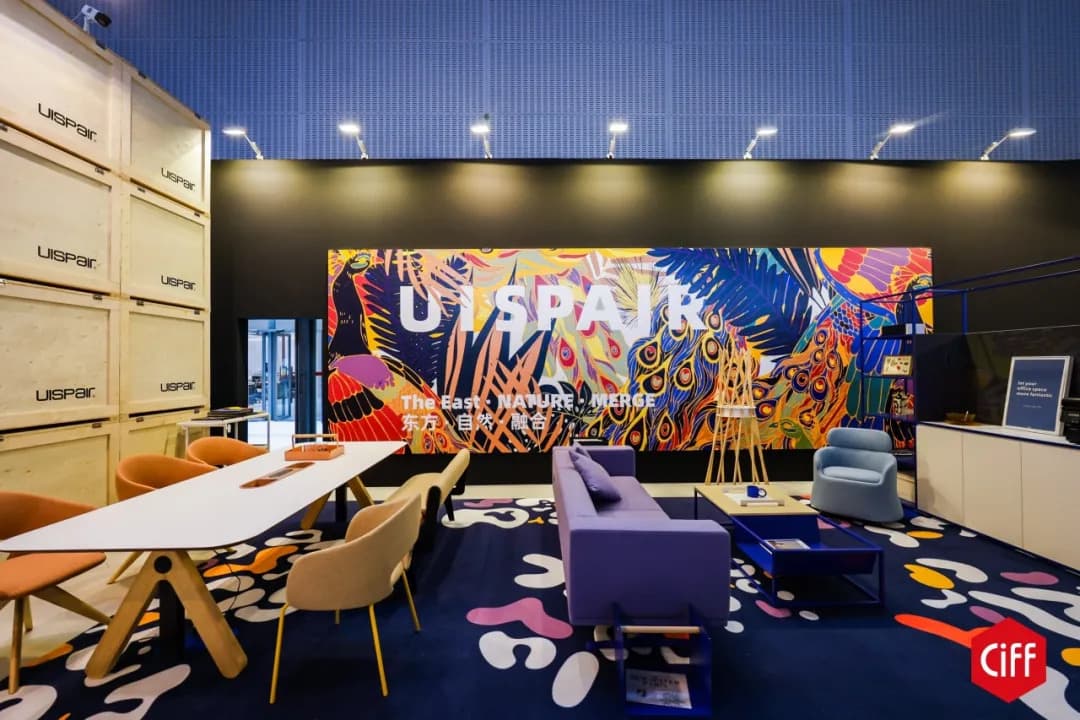
At CIFF, newly expanded zones dedicated to
office environments, seating and public-commercial spaces demonstrate how
intelligence is spreading across entire workplace ecosystems – from furniture
to integrated systems.
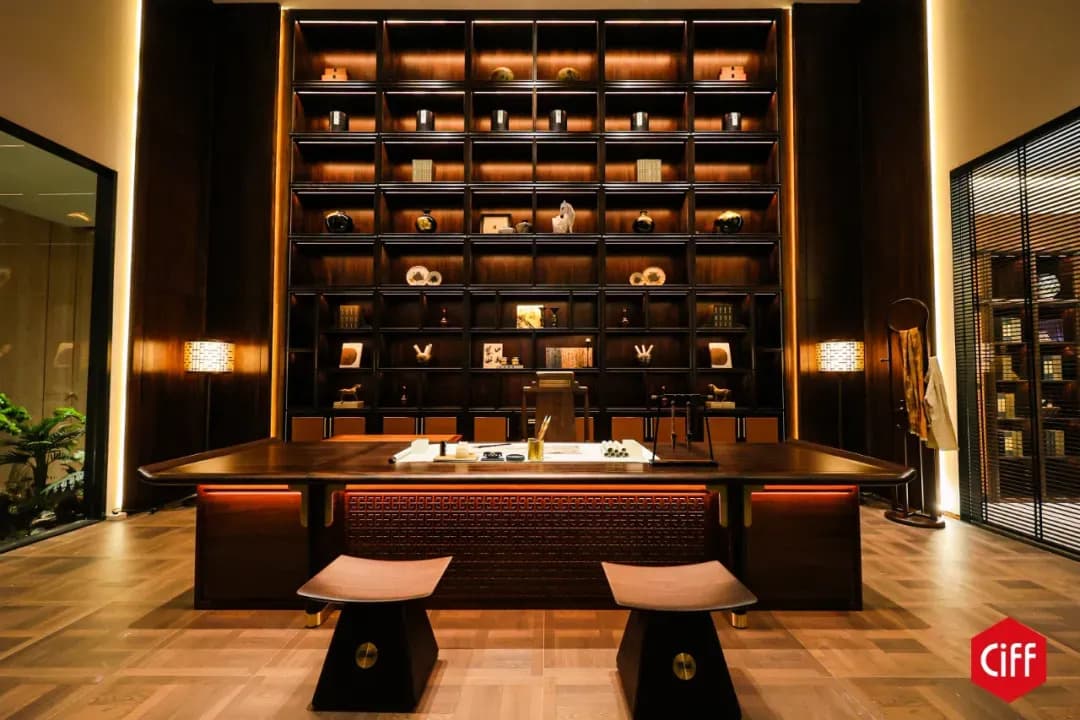
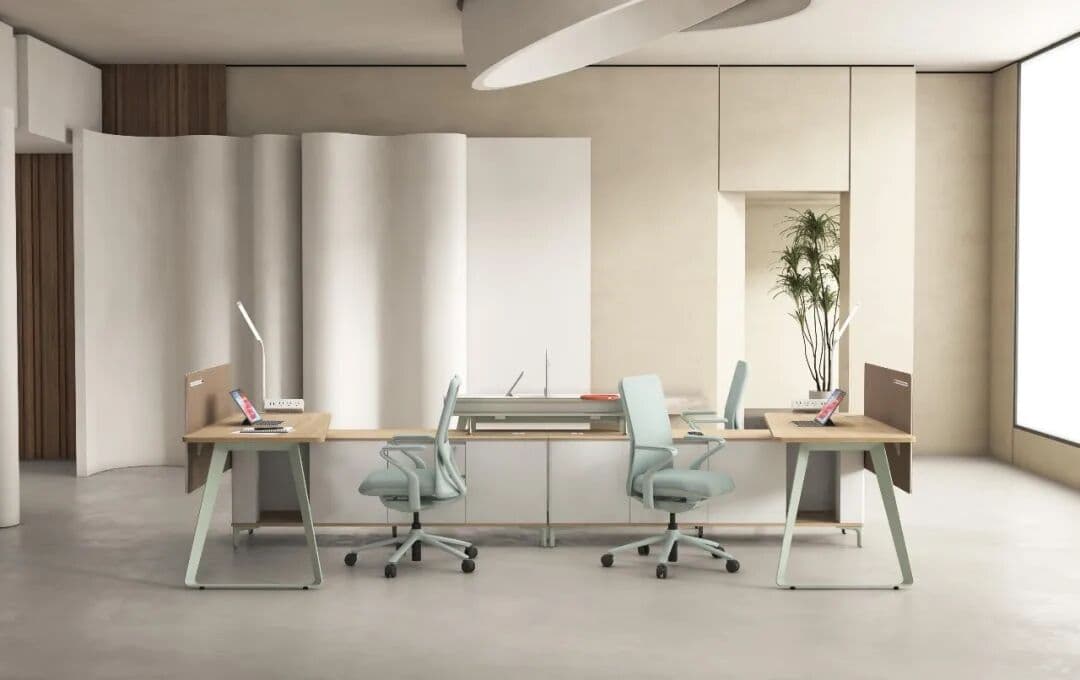
RONG’s Refly workstation combines centralised
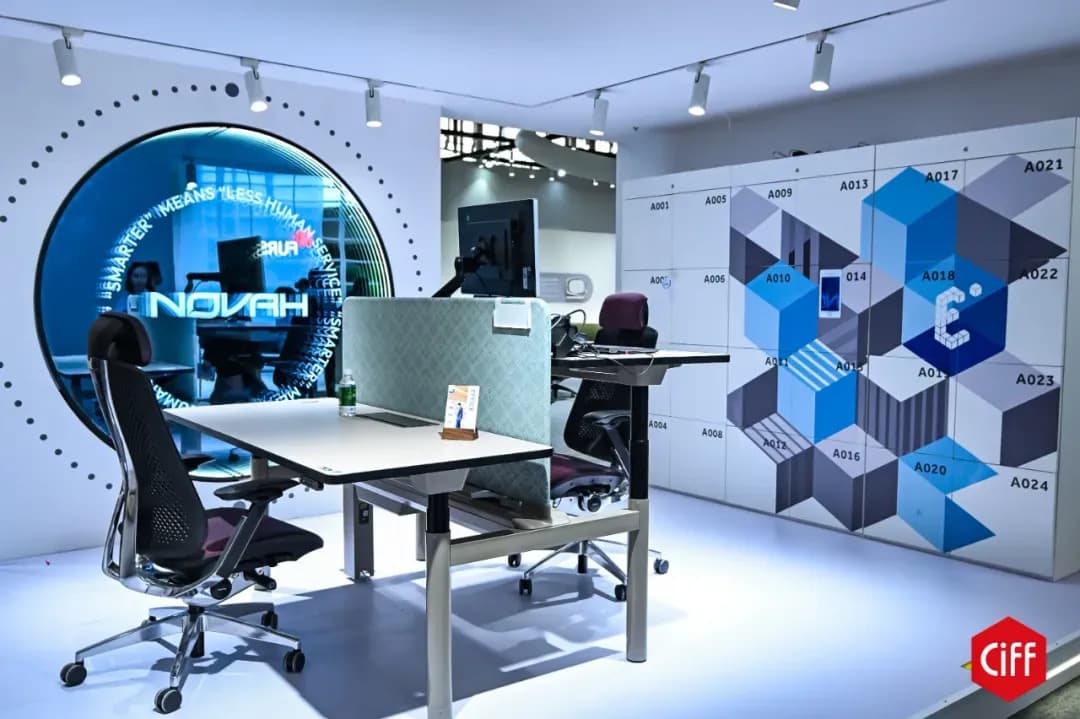
power management with smart lighting to optimise energy use, while NOVAH
integrates Smart Morph storage with Dyna2 desk booking systems to reduce idle
space and material waste, allowing workstations to adapt dynamically to user
flow.
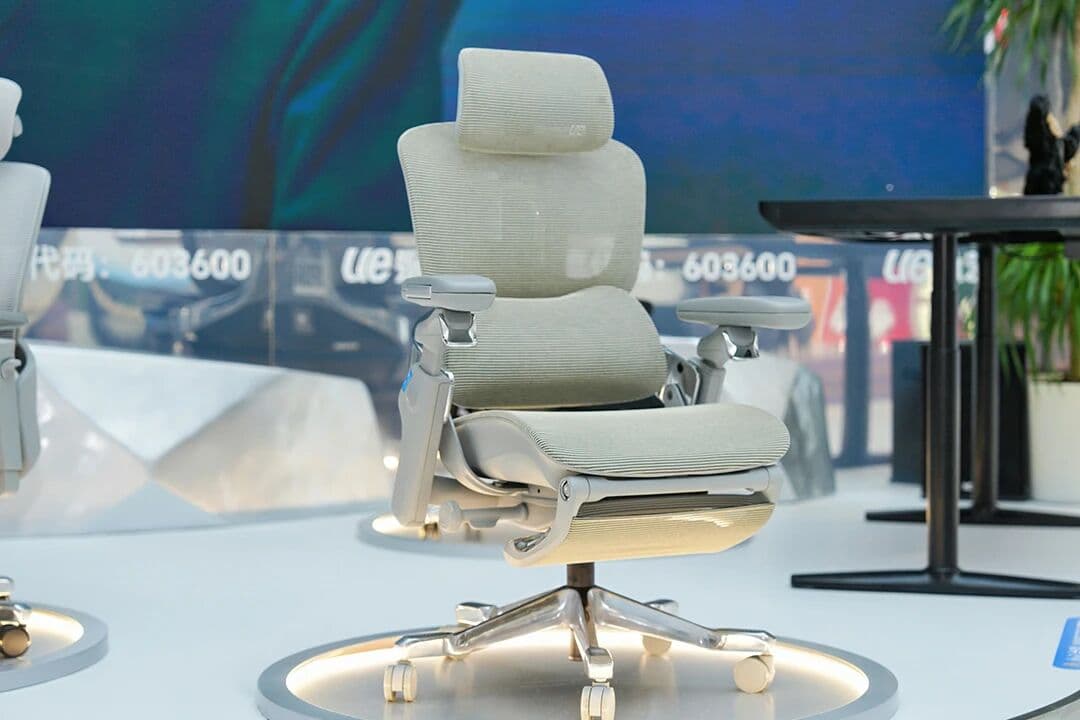
Ergonomics also plays a central role. UE
Furniture’s Tai Chi dynamic-support chair adjusts lumbar and hip support in
response to posture changes, easing the strain of prolonged sitting. Meanwhile,
SUNON’s UP 7 digital workstation includes gentle sedentary reminders, with
desktops subtly vibrating to prompt healthier movement patterns.
Here again, technology operates quietly –
shaping healthier work rhythms without demanding constant attention.
What emerges across both domestic and
professional settings is a shared direction: technology is no longer an add-on.
It is becoming an invisible layer within design, supporting how people sleep,
rest and work.
For those looking to understand how
technology is reshaping everyday living – and how future homes and workplaces
are being quietly re-engineered – CIFF Guangzhou 2026 offers a direct window
into what comes next.