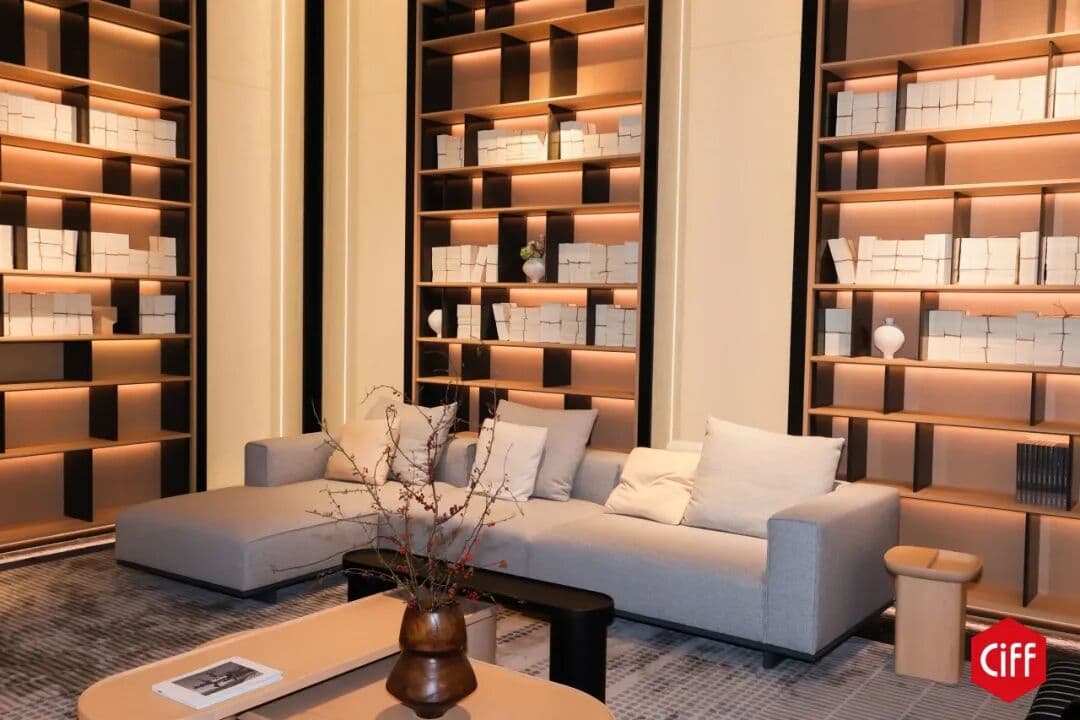
For years, the phrase “Made in China” has been synonymous with factory production lines, cost efficiency and manufacturing scale. But China’s furniture industry is now undergoing a visible shift – moving away from production-led systems towards design-driven creative ecosystems, and from simply fulfilling orders to actively proposing new ways of living.
Design is no longer treated as an imported
concept to be executed locally. Instead, it is becoming a core capability led
by domestic brands. From material research to spatial storytelling, Chinese
designers are building their own design language, supported by an increasingly
mature commercial design ecosystem.
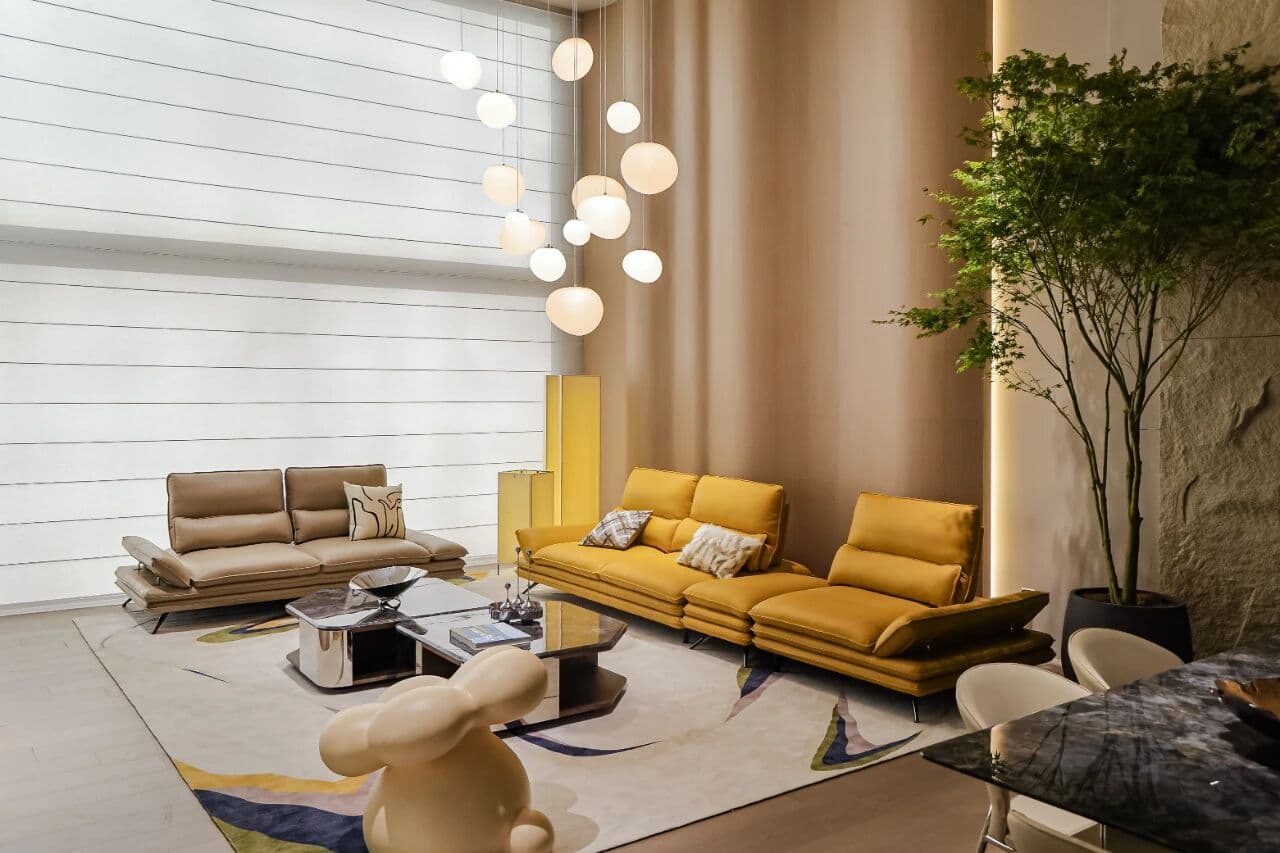
CIFF Contemporary Design Exhibition
explores “Design Community”
As one of the most experimental and
forward-looking sections of CIFF Guangzhou, the Contemporary Design Exhibition
has evolved beyond a showcase of individual objects into a multi-layered design
platform.
This year, the exhibition expands to 40,000
square metres, bringing together more than 60 commercial design brands, over 20
independent designer labels and upwards of 40 international studios. The 2026
theme, “Design Community”, reflects a new industry model in China – one defined
by closer and more equal collaboration between designers, brands, manufacturers
and markets.
A number of new participants join the
exhibition this year, including CAMERICH, NEODIKO, Qianjin Meet, Pablo Now,
Dickson, Kinetic, Nice Home, Casa Mucham Veittoii, Yeswood, Tonight Moon and
Yuanshi Yuansu, signalling the continued expansion of China’s design-led
commercial landscape.
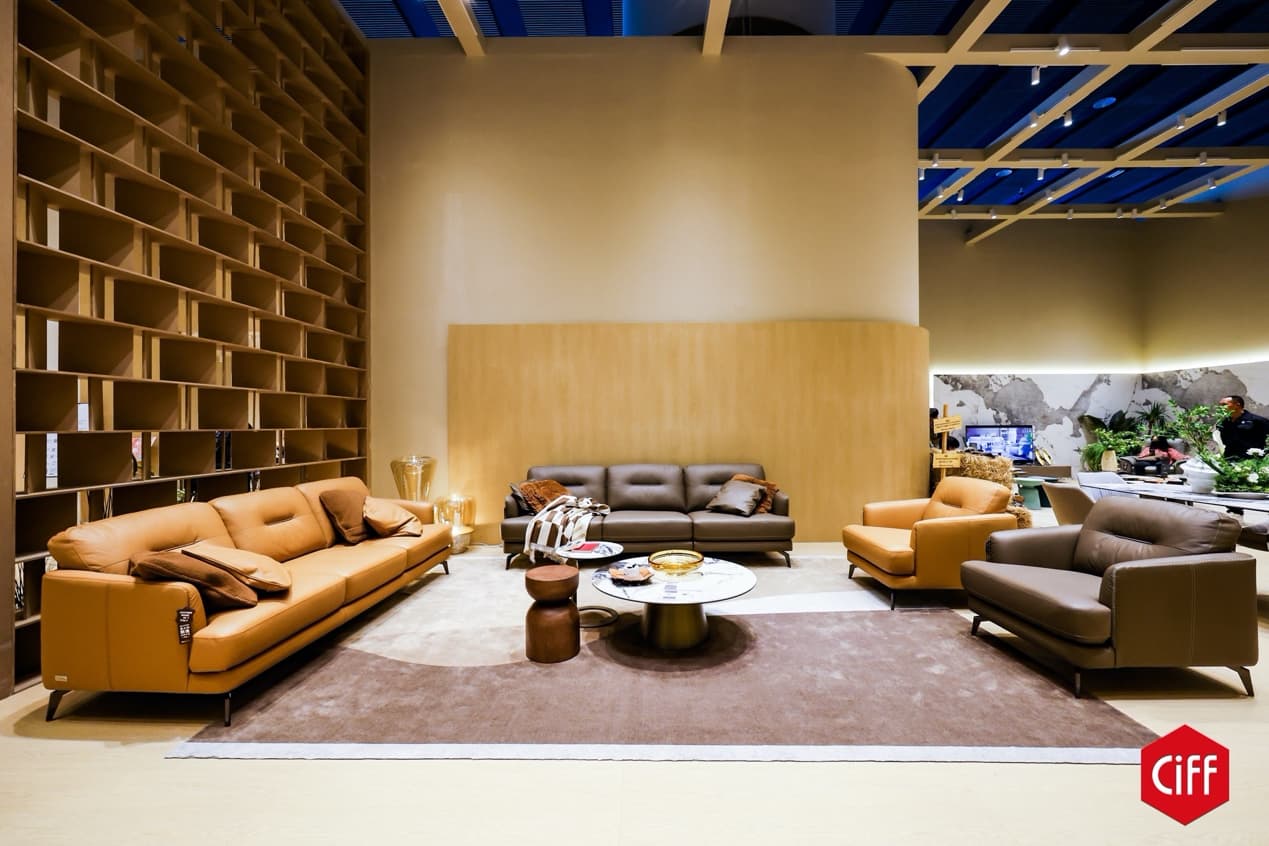
From OEM thinking to original creation
More brands are now building in-house
design and R&D teams, gradually reducing reliance on overseas aesthetics.
Design is increasingly used to communicate culture and lifestyle, reframing
“Made in China” as an integrated output of design intelligence, craftsmanship
and lived experience.
Walking through the Contemporary Design
Exhibition, visitors encounter work that balances market readiness with design
sensitivity. Some brands revisit Eastern aesthetics through contemporary
materials, embedding lacquer or traditional mortise-and-tenon craftsmanship
techniques within minimalist structures. Others pursue refined modernism, while
modular systems respond to shrinking urban homes and demands for
multifunctional living.
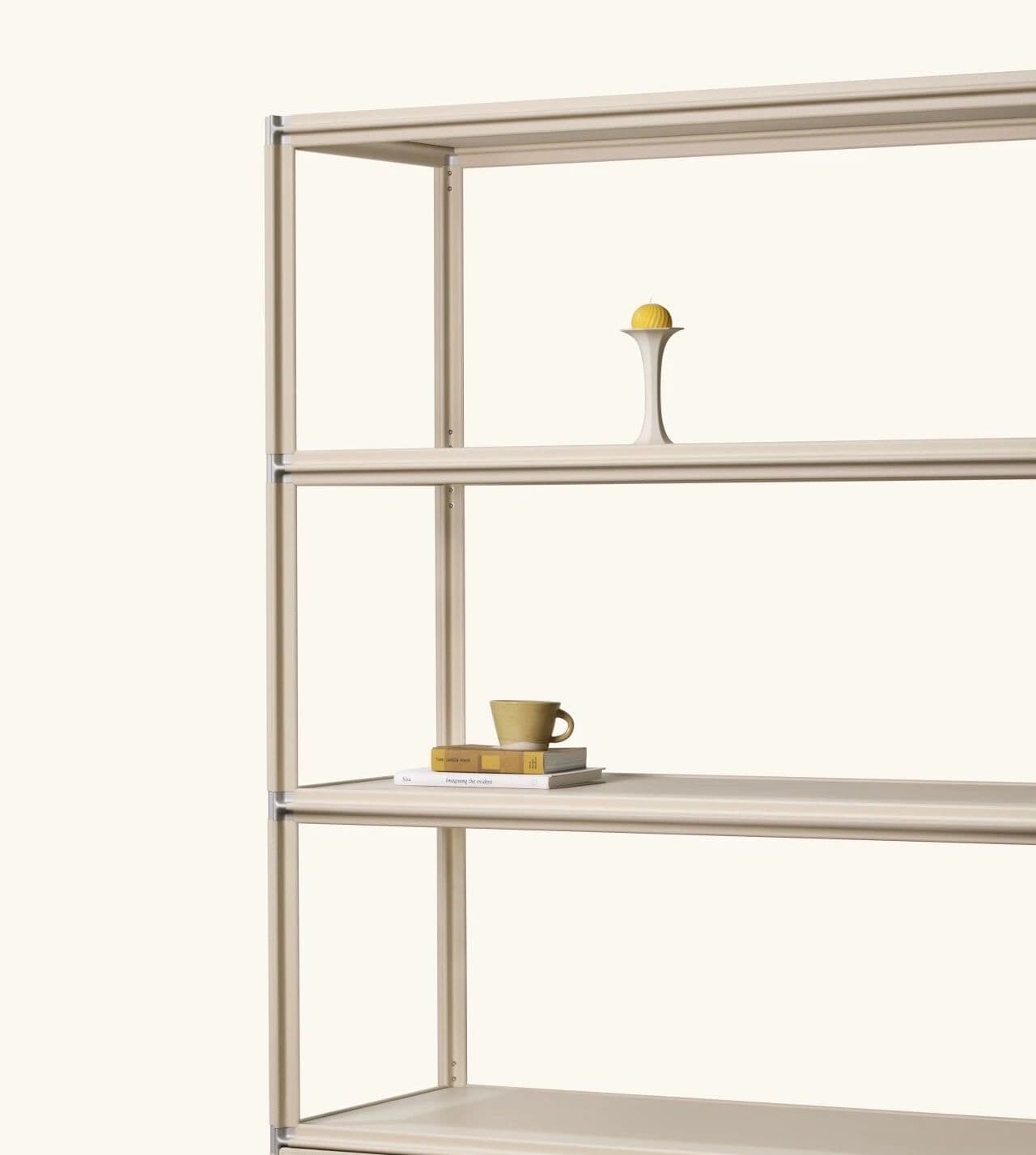
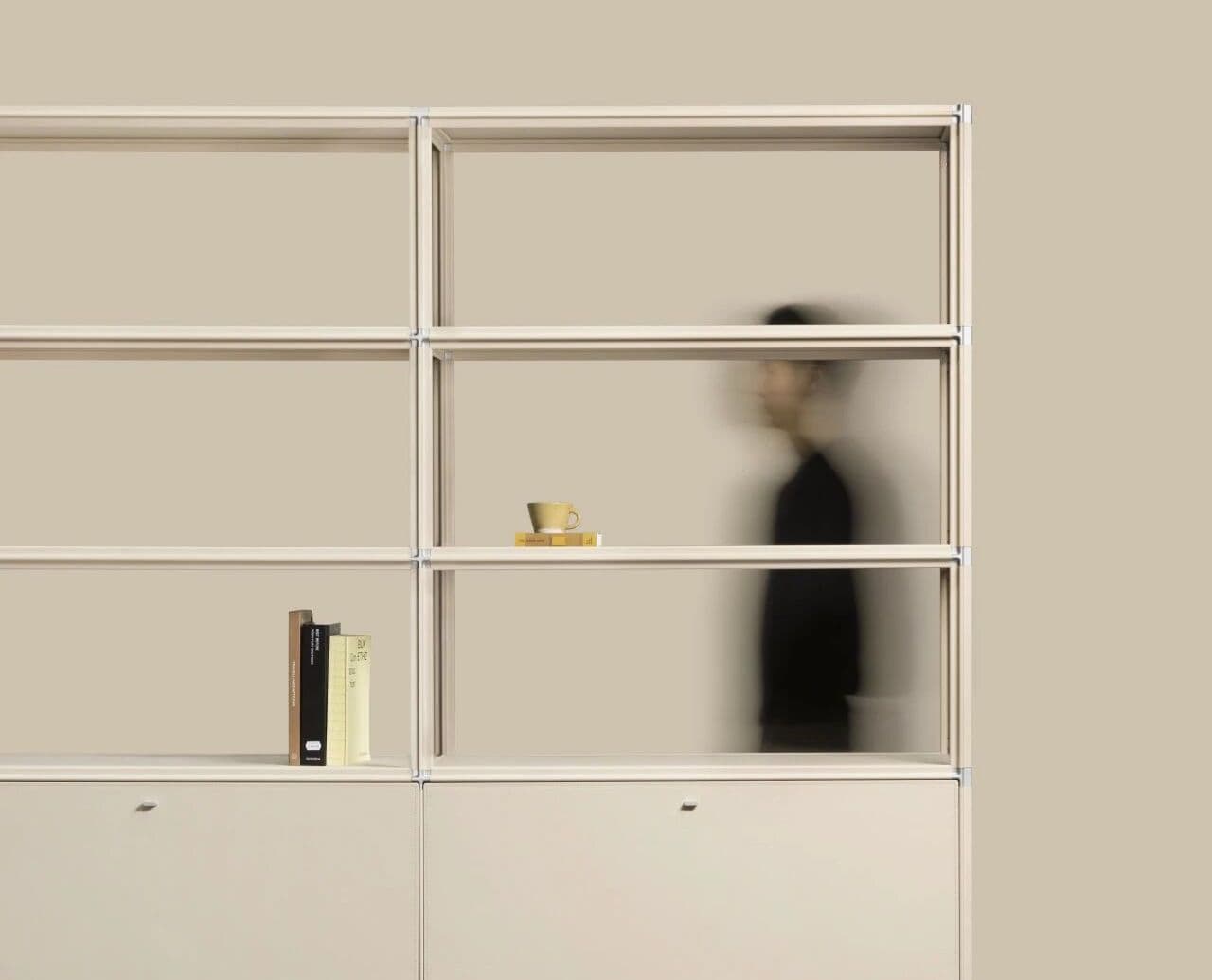
CAMERICH’s X System exemplifies this shift.
Built around X-section aluminium profiles produced through extrusion processes,
the modular framework allows furniture to expand and adapt over time.
Intersecting lines form X-shaped joints that dissolve traditional point-based
structures, creating a sense of visual continuity and structural strength while
enabling flexible reconfiguration.
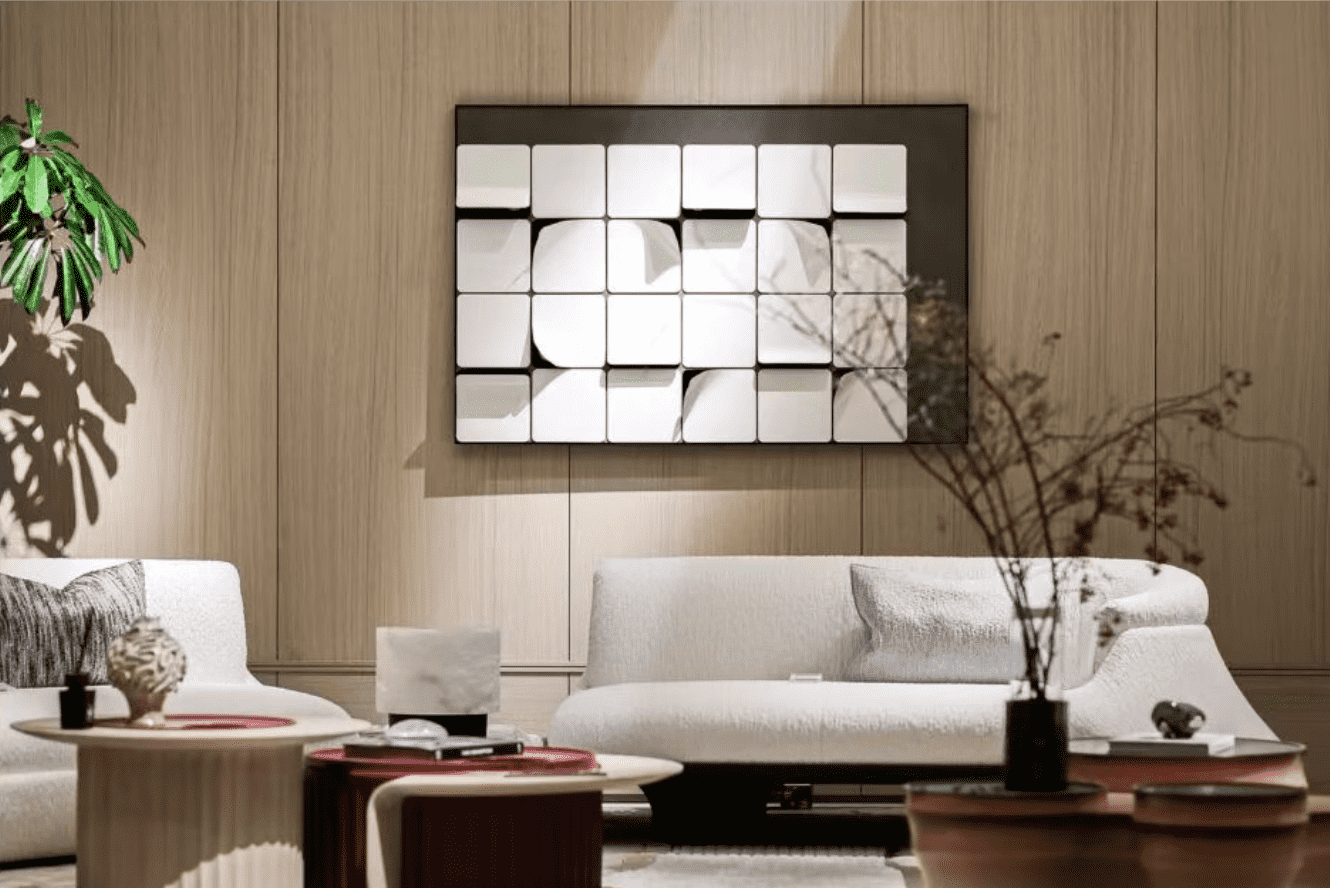
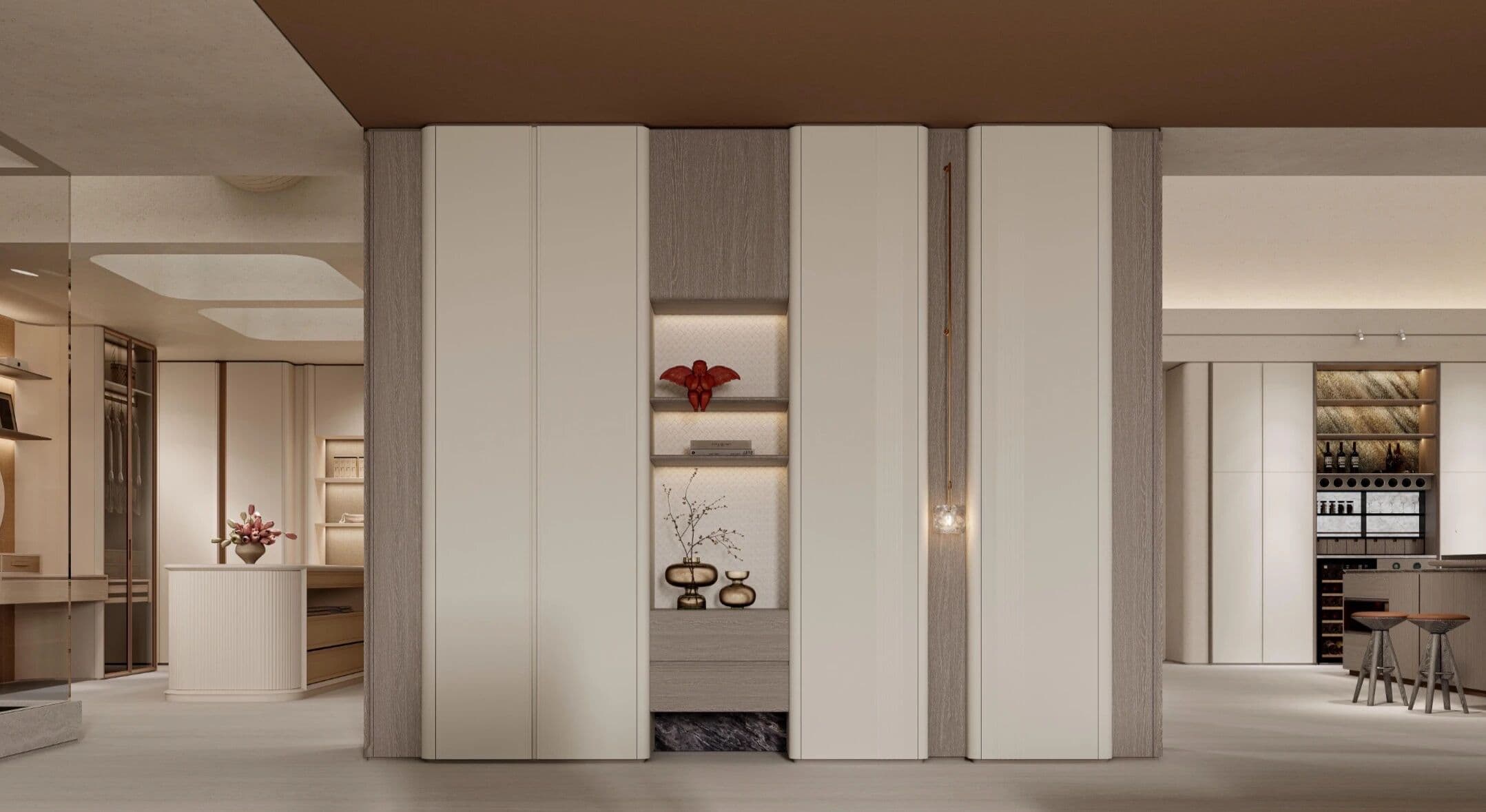
NEODIKO’s Qidu collection offers a
contemporary translation of Eastern aesthetics. Rather than relying on
ornamental references, the brand interprets philosophical ideas of “emptiness”
and “integration” through restrained proportions and warm materiality, allowing
cultural depth to emerge through touch and form.
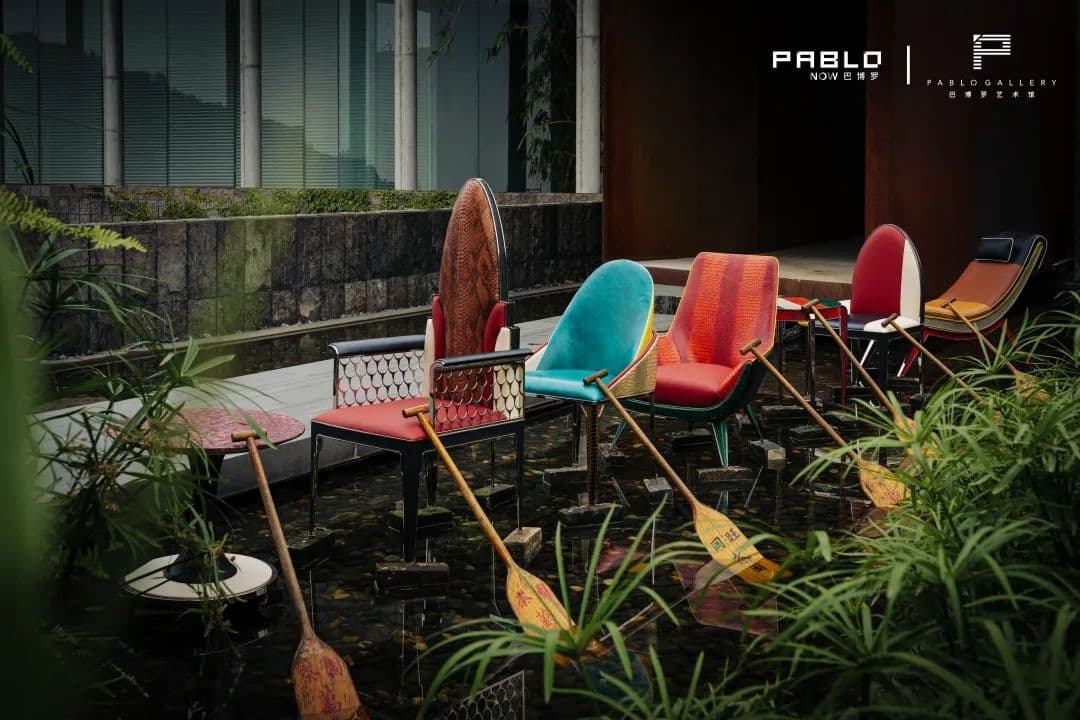
Pablo Now’s Shunde Dragon draws inspiration
from dragon boat racing – transforming the motion of cutting through water and
the rhythm of multicoloured flags into geometric furniture structures. The
studio incorporates original oars from a 1980s dragon boat in Shunde, embedding
local memory directly into the design.
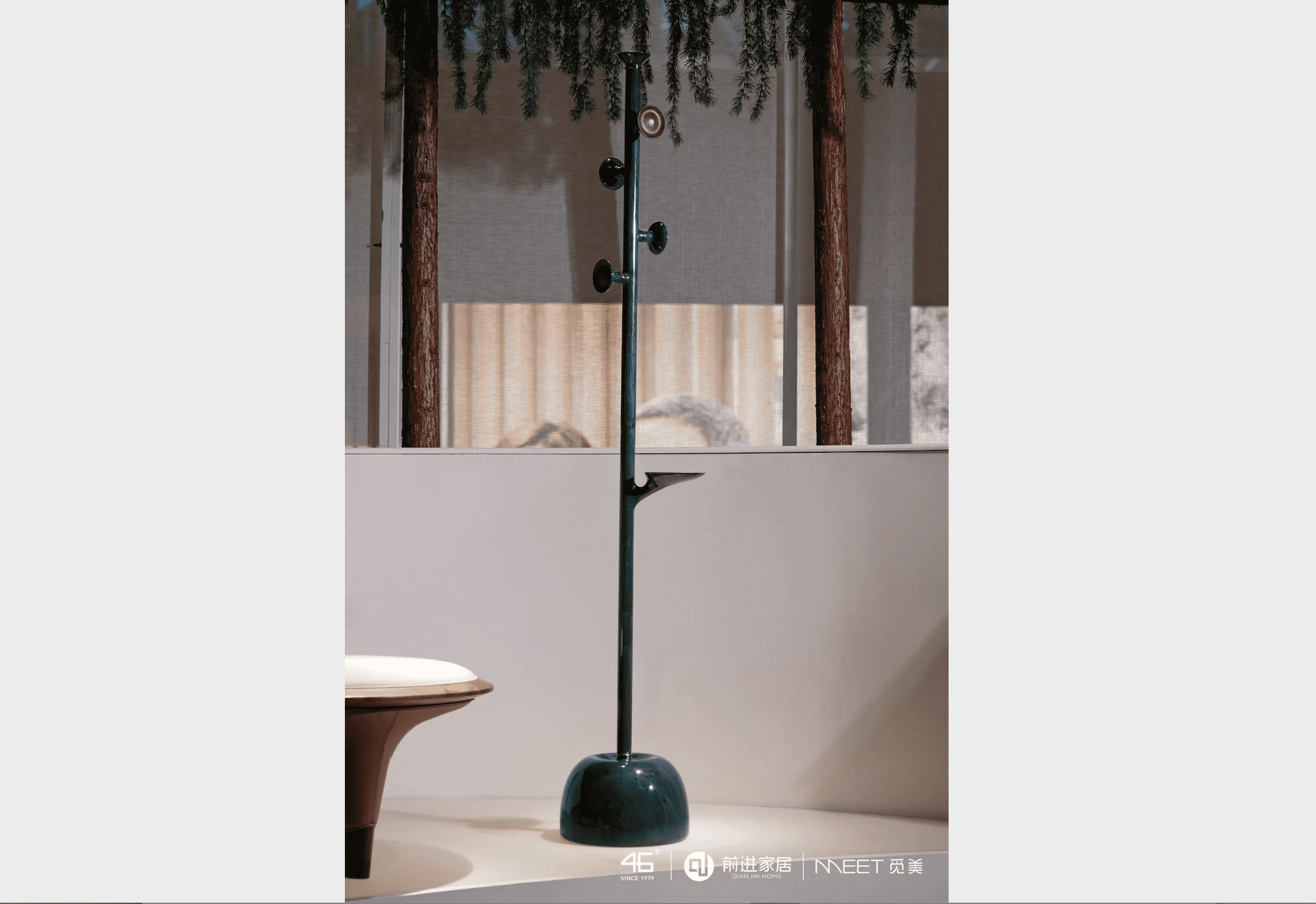
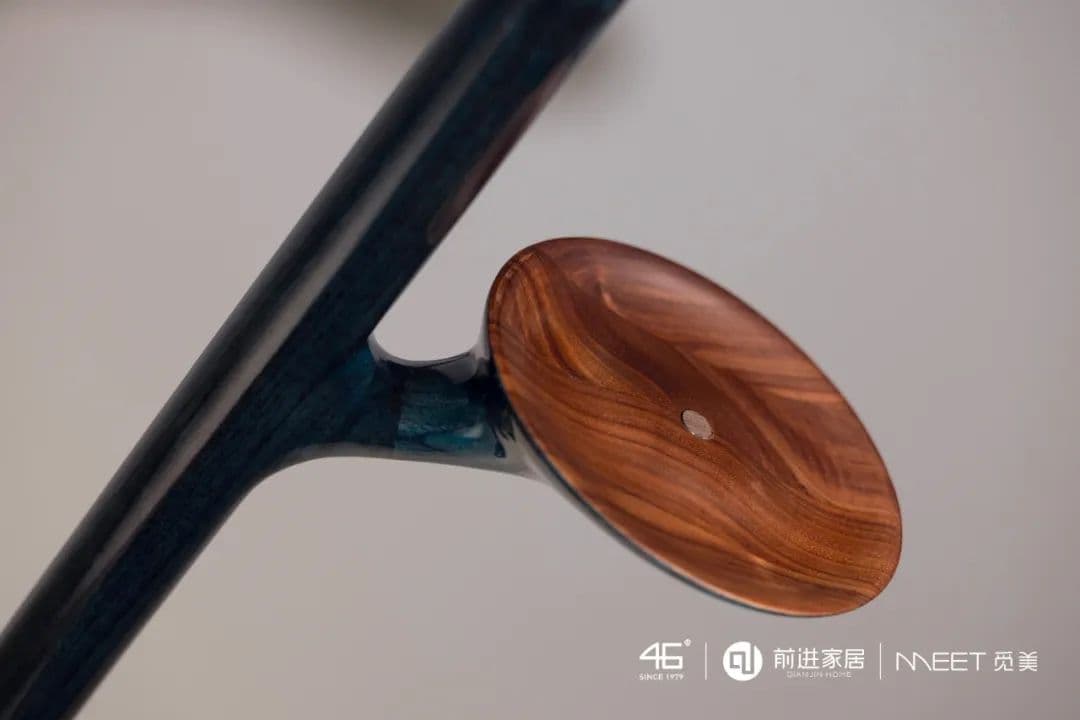
Solid-wood specialist Qianjin Meet brings a
different perspective. Its Red Dot Award-winning Subdued Fragrance coat stand
translates the form of plum blossoms into structural nodes that resemble
natural growth patterns. Finished in fresh green tones and crafted using
traditional mortise-and-tenon joinery alongside automotive-grade metallic
coatings, the piece blends Eastern sensibility with contemporary production
techniques to achieve a quietly enduring presence.
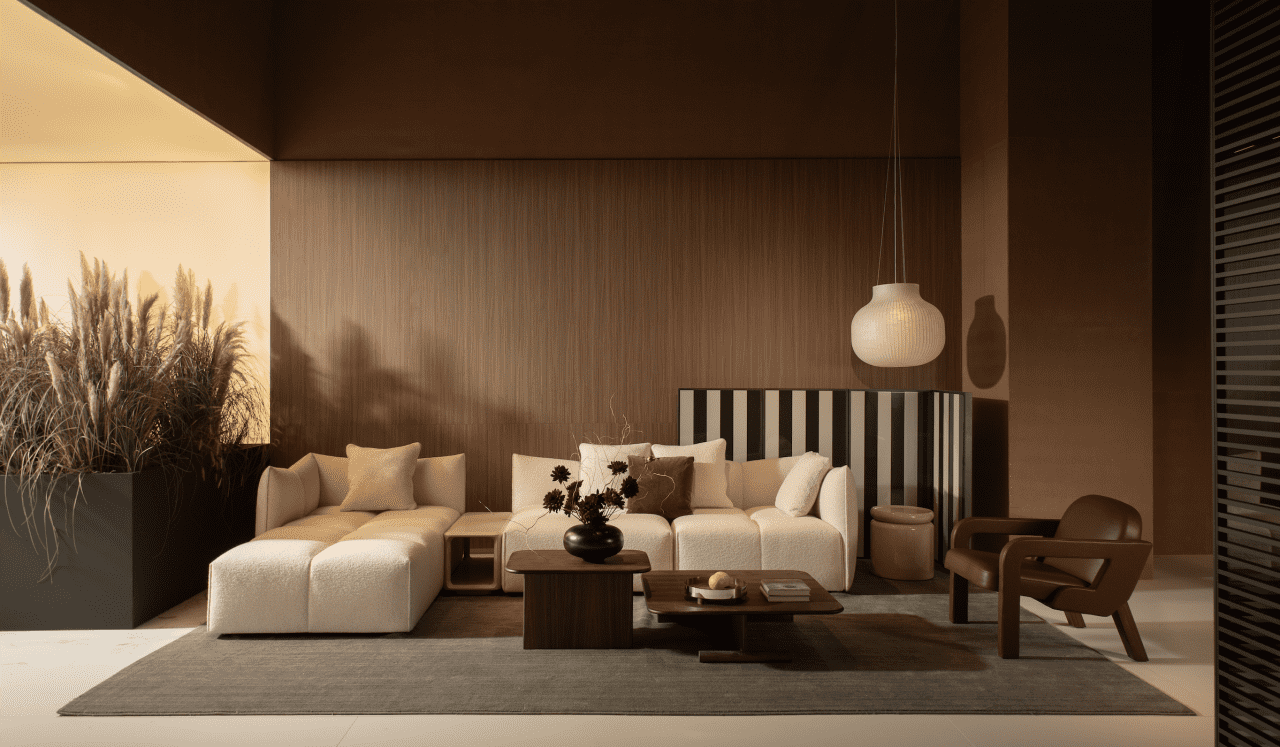
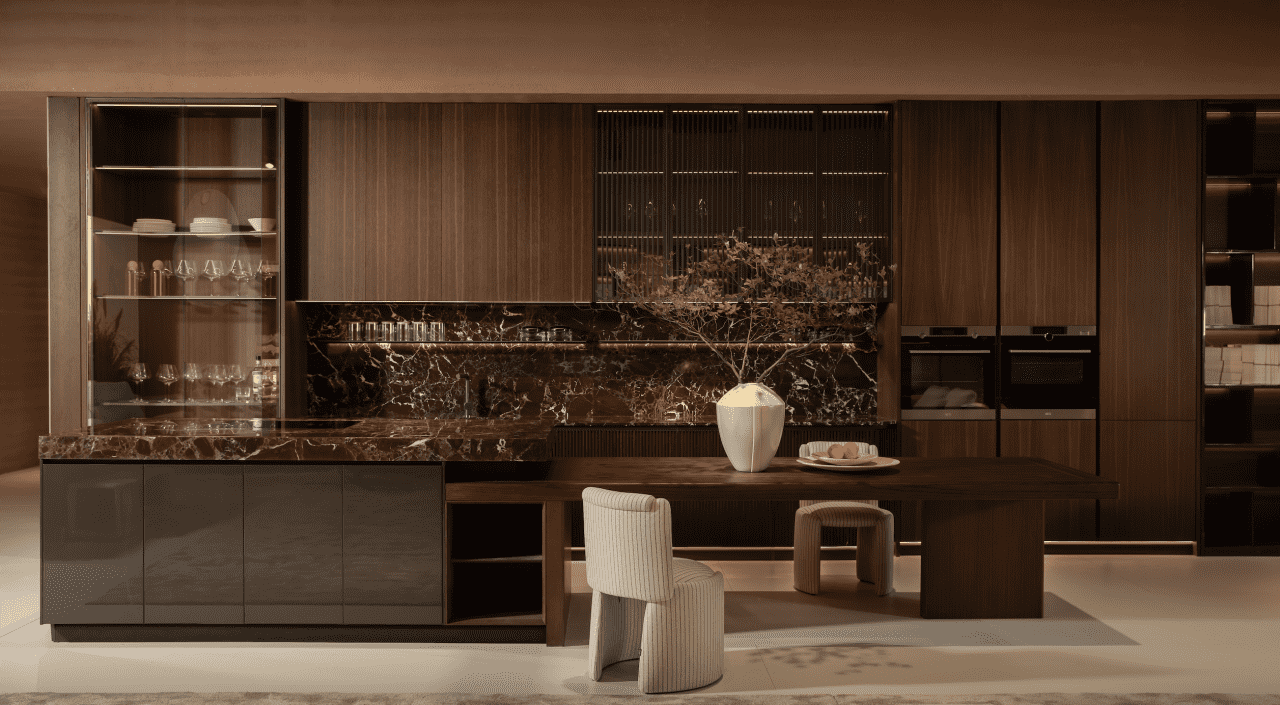
Among the leading original Chinese brands,
HC28 maison demonstrates how far domestic design capabilities have evolved.
Centred on a “full-scene lifestyle” approach, the brand dissolves boundaries
between loose furniture and bespoke systems. At CIFF Shanghai 2025, HC28 maison
presented collaborations with Ma Yansong, Yabu Pushelberg, Marcel Wanders and
Pearson Lloyd – weaving Eastern restraint with Western experimentalism into a
distinctly global expression.
The awakening of contemporary Chinese
design signals a decisive transition: China is no longer merely part of the
global supply chain, but is emerging as a creative force and aesthetic
reference point within today’s design landscape.
This collective shift – from manufacturing
to creation – will be most vividly articulated at CIFF Guangzhou’s Contemporary
Design Exhibition. This March, visitors will see how Chinese design is stepping
forward with renewed confidence, reshaping the global furniture conversation
through its own cultural voice and creative agency.